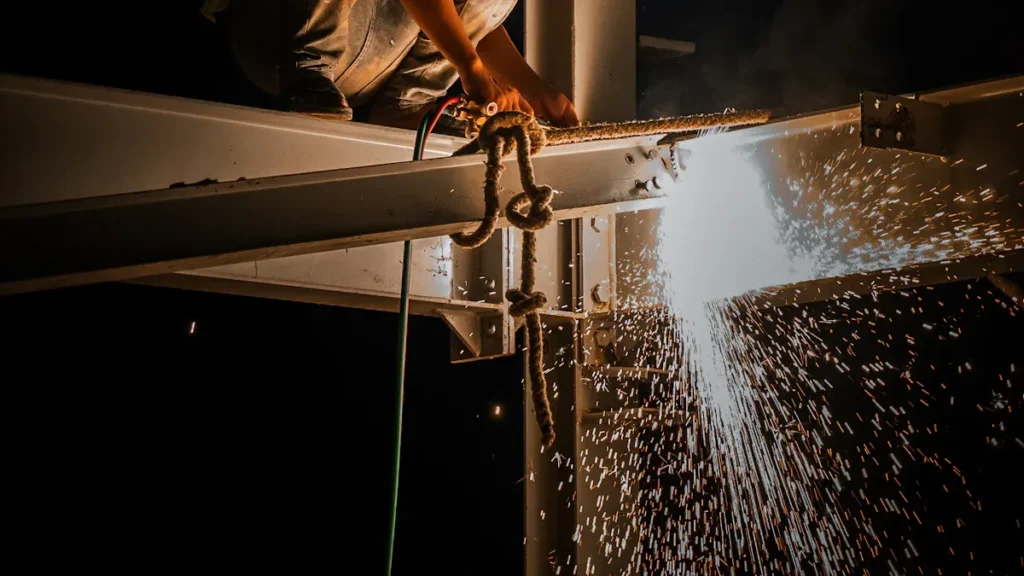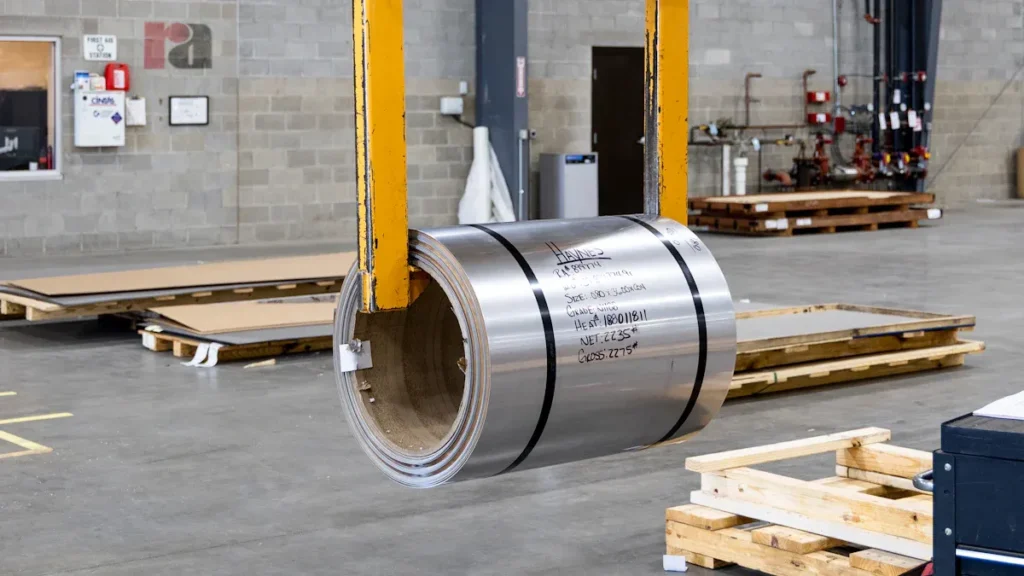
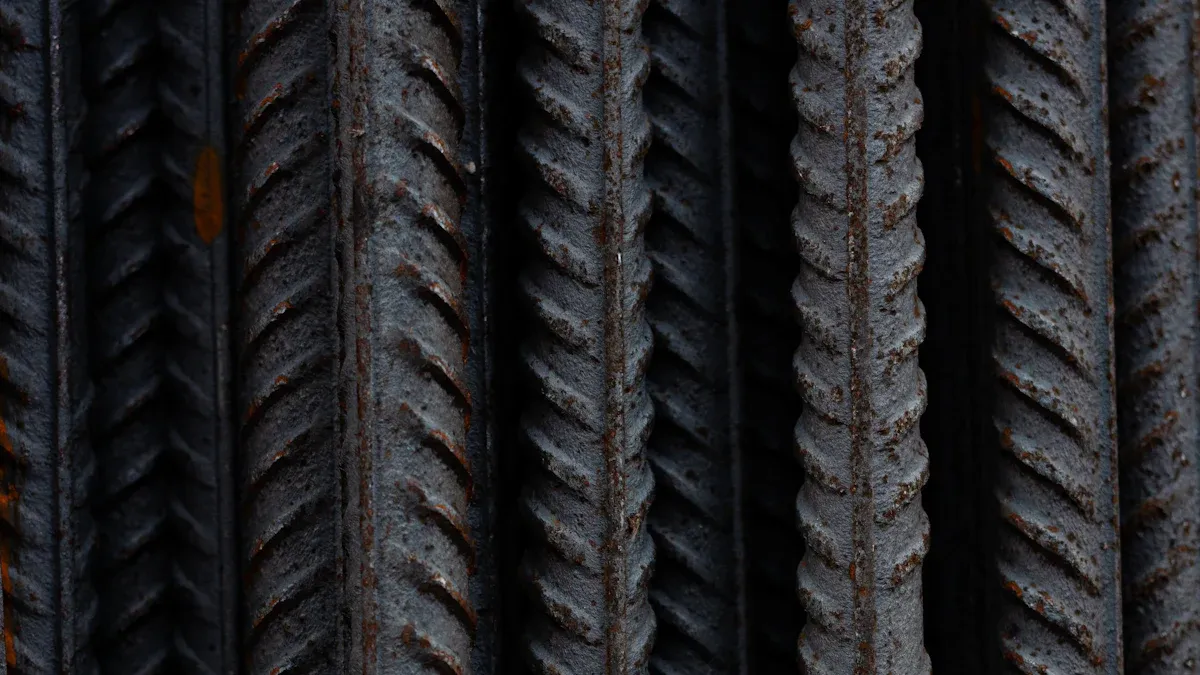
Steel plays a crucial role in today’s industries, with its carbon content significantly influencing its properties. Low-carbon steel, characterized by its lower carbon content, is highly versatile due to its ease of bending and welding. This makes the application of low carbon steel ideal for construction and automotive manufacturing. On the other hand, high-carbon steel offers greater hardness and strength, making it suitable for tools and machine components.
Choosing the appropriate type of steel enhances performance and efficiency. For instance, the application of low carbon steel is advantageous in scenarios requiring high impact resistance, while high-carbon steel excels in handling heavier loads. Refer to the table below for a detailed comparison:
The application of low carbon steel continues to gain traction, with its demand projected to grow by 2.7% annually through 2025. Its versatility and reliability make it indispensable in construction and automotive industries. Meanwhile, high-carbon steel remains essential for its strength and durability in specialized applications.
Key Takeaways
Low-carbon steel is soft and simple to join. It works well for building and car parts.
High-carbon steel is tough and strong. It is great for tools and machines that need to last.
Picking the right steel improves how your project works. You can choose flexibility or strength.
Low-carbon steel is cheap and useful for many things. High-carbon steel is best for tough, special jobs.
Knowing how much carbon is in steel helps you pick the right one. This gives you better results.
Carbon Content and Steel Types
What is Low-Carbon Steel?
Low-carbon steel has 0.05% to 0.3% carbon by weight. It is soft, easy to bend, and welds well. This makes it simple to shape without breaking. Its strength ranges from 400 to 550 MPa. This makes it good for jobs needing flexibility and medium strength.
Low-carbon steel also has small amounts of manganese. Manganese makes it stronger and tougher. Silicon helps remove oxygen, while copper and nickel stop rust. Standards like ASTM A36 and ASTM A572 ensure it works well in building and manufacturing.
What is High-Carbon Steel?
High-carbon steel has over 0.6% carbon, sometimes more than 0.8%. This high carbon makes it very hard and strong. But it is less bendable and more likely to break.
This steel is made by heating iron in a carbon-rich environment. This process makes it strong enough to handle heavy loads. It is great for tools, cutting items, and strong machine parts.
How Carbon Content Changes Steel
The amount of carbon changes how steel behaves. Low-carbon steel bends easily and is simple to weld. It is great for cars and buildings. High-carbon steel is harder and stronger. It is best for tools and heavy machines.
Here’s a table showing how carbon affects steel:
Steel Type | Carbon Content | Characteristics |
|---|---|---|
Low-Carbon Steel | Less than 0.30% | Softer, easier to bend |
Medium-Carbon Steel | 0.30% to 0.60% | Balanced strength and flexibility |
High-Carbon Steel | More than 0.60% | Harder, stronger, less flexible |
Knowing these differences helps you pick the right steel. Whether you need flexibility or strength, carbon content is key.
Mechanical Properties of Low-Carbon Steel and High-Carbon Steel
Strength and Hardness Comparison
Low-carbon steel and high-carbon steel differ a lot in strength. Low-carbon steel, also called mild steel, is not very hard. It works well for jobs needing bending and shaping. High-carbon steel is much harder and stronger. It is best for heavy tools and machine parts.
Here’s a table showing their strength and hardness:
Type of Steel | Tensile Strength (MPa) | Hardness Level |
|---|---|---|
Mild Steel | 400 | Moderate |
Medium Carbon Steel | 700 to 900 | Higher |
High Carbon Steel | 900 | High |
High-carbon steel gets its hardness from a special structure. This structure, called martensite, forms during certain processes. It makes the steel about 75% harder but still tough. This is why high-carbon steel is great for cutting tools and machines needing extreme hardness.
Ductility and Weldability
Low-carbon steel bends and stretches easily without breaking. It is also easy to weld, making it useful in many industries. These features make it perfect for building, cars, and other projects needing flexibility.
High-carbon steel is harder but less bendable. It is not good for jobs needing a lot of shaping. Welding it is tricky because it can crack.
Here’s a table comparing ductility and welding:
Steel Type | Ductility | Weld Performance |
|---|---|---|
Low-Carbon Steel | High | Excellent |
Medium-Carbon Steel | Moderate | Good, but less than low-carbon |
High-Carbon Steel | Low | Challenging due to brittleness |
If you need steel that bends and welds easily, choose low-carbon steel. For strong and hard materials, high-carbon steel is better.
Machinability and Formability
How easy steel is to cut and shape depends on its carbon. Low-carbon steel is soft, so it is easy to work with. It doesn’t wear out tools quickly, saving money during manufacturing.
High-carbon steel is harder to cut and shape. It wears out tools faster and needs special machines. But its strength makes it great for tough jobs.
For example, low-carbon steel is used for car parts and building materials. High-carbon steel is used for tools, springs, and strong machine parts.
Knowing these properties helps you pick the right steel. Whether you need flexibility or strength, choosing the right type ensures your project works well.
Heat Treatment and Durability
Heat Treatment for Low-Carbon Steel
Low-carbon steel gets stronger with heat treatment methods. One method is cyclic heat treatment (CHT). This process uses cycles of heating and cooling. It changes the steel’s structure into fine or ultrafine grains. This makes the steel tougher and harder, improving its use in many areas.
Heat treatment also changes how strong low-carbon steel is. Quenching makes it harder, while heating at 500°C increases strength. However, these processes slightly reduce how much it can stretch. The table below shows how heat treatment affects low-carbon steel:
Property | Effect of Heat Treatment |
|---|---|
Hardness | Becomes harder with quenching |
Ultimate Tensile Strength (UTS) | Increases when heated at 500°C |
Yield Strength (YS) | Grows stronger at 500°C |
Ductility | Stretches less after treatment |
Toughness | Gets better with structure changes |
Microstructure | Grains become smaller and more refined |
Internal Stress | Reduced, making steel last longer |
These changes make low-carbon steel great for welding and tough projects.
Heat Treatment for High-Carbon Steel
High-carbon steel needs special heat treatment for strength. Heating it to 990–1020°C gives the best results. Its hardness can reach about 860 HV10. The process heats the steel, then cools it quickly to form martensite.
The temperature used affects the steel’s leftover austenite. This leftover part changes how hard and strong the steel is. Engineers use computer models to study how heat changes the steel. This helps make high-carbon steel perfect for tools and heavy machines.
Durability in Different Uses
Steel durability depends on heat treatment and its job. Low-carbon steel works well for welding and building. Its toughness and flexibility make it great for cars and construction.
High-carbon steel is made for strength and resisting wear. It is perfect for tools, springs, and strong machine parts. Proper heat treatment ensures both types of steel last long and work well.
Application of Low Carbon Steel
Construction and Structural Applications
Low-carbon steel is important in building because it is strong and flexible. It is also affordable, making it a smart choice for projects. This steel is easy to weld, which helps in fast assembly. It works well for beams, columns, and frames in structures.
Why Pick Low-Carbon Steel for Building?
Strong and flexible for dependable use.
Saves money on project costs.
Speeds up building with quick assembly.
Low-carbon steel can resist rust when coated for protection. This makes it last longer in bridges and tall buildings. It is a great material for modern construction needs.
Automotive Industry Applications
Cars use low-carbon steel for body panels and parts. It is light and strong, helping cars perform better. Green steel is changing the industry by cutting pollution and staying affordable.
Why Use Low-Carbon Steel in Cars?
Almost all steel gets recycled, helping the planet.
Light and strong steel improves gas mileage and safety.
Electric cars need strong steel, boosting its demand.
Car makers are creating lighter and tougher steel with new methods. Low-carbon steel is key in making electric cars and other vehicles.
Everyday Manufacturing Uses
Low-carbon steel is used in many everyday items. It is found in appliances and machines because it is easy to shape. This saves time and money during production.
New ways to make steel, like Direct Reduced Iron (DRI), are improving its use. Companies like Nucor and US Steel are making steel with fewer emissions. This keeps low-carbon steel a top choice for manufacturers.
From tools to machines and household goods, low-carbon steel is reliable and affordable for making products.
Applications of High-Carbon Steel
Tools and Cutting Instruments
High-carbon steel is important for making tools and cutters. It has 0.60% to 1.25% carbon and 0.30% to 0.90% manganese. These elements make it very hard and strong. This makes it great for jobs needing wear resistance.
This steel is used in kitchen knives that stay sharp longer. It’s also found in tools for woodworking and metalworking because it resists wear. Springs and strong wires use it for its toughness and flexibility.
Tip: Choose high-carbon steel tools for sharpness and long-lasting use.
High-Strength Machinery Components
High-carbon steel is used in machines that handle heavy stress. Its strength and wear resistance make it perfect for key parts.
Here are some ways industries use high-carbon steel:
Industry | Examples of Use |
|---|---|
Automotive | Engine parts, axles, crankshafts |
Aerospace | Bearings, gearboxes, transmissions |
Industrial | Pumps, wheels, cutting tools, machine parts |
Springs and suspension systems benefit from its flexibility and strength. High-carbon steel ensures machines work well in tough conditions.
Specialty Engineering Applications
Special engineering projects need materials that are strong and precise. High-carbon steel is perfect for these needs. It handles heavy loads and resists wear, making it very useful.
This steel is used in special tools, precise cutters, and custom machine parts. Engineers like it because it stays strong under extreme conditions. From aerospace to industrial projects, high-carbon steel performs reliably.
Note: High-carbon steel’s special features make it essential for modern engineering.
Benefits of Low-Carbon Steel vs High-Carbon Steel
Cost-Effectiveness and Availability
Low-carbon steel is cheap and easy to make. Its low carbon content lowers production costs. This steel is also made in large amounts. It’s a budget-friendly choice for building and car-making. You can use it for flexible projects without spending too much.
High-carbon steel costs more but is very strong. Making it is harder, which raises its price. However, its strength makes it worth the cost. It’s used in special tools and machines where strength matters most.
Versatility in Design and Fabrication
Low-carbon steel is great for many uses. It’s soft and easy to bend or weld. This makes it perfect for detailed designs like car parts and building frames. Its flexibility fits many industries’ needs.
High-carbon steel is strong and precise. It’s not as bendable, but its hardness is useful. It’s ideal for tools, cutters, and tough machine parts. You can count on it for projects needing strength and accuracy.
Performance in Specific Environments
Low-carbon steel works well where flexibility is needed. It doesn’t crack under pressure, so it’s good for cars and buildings. When coated, it resists rust and lasts longer.
High-carbon steel is best for tough jobs. Its hardness handles heavy loads and friction. It stays strong in extreme conditions like factories and engineering sites. You can trust it for demanding tasks.
Angang Metal: Your Trusted Steel Supplier
High-Quality Low-Carbon Steel Products
Angang Metal offers top-quality low-carbon steel for many industries. With 20+ years of experience, they make strong and affordable steel. Their focus on research improves quality, making them a global leader.
Why Angang Metal is special:
They store over 5 million tons of steel yearly.
Certifications like ISO and CE prove their high standards.
Eco-friendly methods meet global rules, keeping products sustainable.
Angang Metal’s low-carbon steel is great for building, cars, and daily items. Its low cost and flexibility make it popular worldwide.
Reliable High-Carbon Steel Solutions
Angang Metal’s high-carbon steel is made for strength and accuracy. It works well for tools, machines, and special projects. Their reliable products perform well even in tough conditions.
Key reasons to trust Angang Metal:
Metric | What It Means |
|---|---|
Projects stay on track with fast shipping. | |
Cost Control | Fair prices without losing quality. |
Communication | Clear and helpful support during orders. |
Sustainability | Uses eco-friendly methods to protect the planet. |
Capacity and Scalability | Handles big orders easily with large production. |
Risk Management | Finds and fixes problems to keep things smooth. |
Innovation | Offers new ideas and custom solutions. |
Choosing Angang Metal means getting strong, reliable steel for your needs.
Customization and Global Reach
Angang Metal knows every project is different. They offer custom designs and packaging to fit your needs.
With work in 20+ countries and 100+ projects done, they are trusted worldwide. Their smart production and shipping save money and help the environment.
One example of their innovation is using AI to improve production. This has cut energy use and emissions by 5%. Whether you need low-carbon steel for buildings or high-carbon steel for tools, Angang Metal provides excellent solutions.
Knowing how low-carbon steel and high-carbon steel differ helps you pick the right one. Low-carbon steel is easy to weld, bend, and costs less. It works well for building and car-making. High-carbon steel is harder and stronger, making it great for tools and machines.
Feature | Low-Carbon Steel | High-Carbon Steel |
|---|---|---|
Weldability | Great for welding many projects | Hard to weld, needs special methods |
Formability | Very bendable, easy to shape | Not bendable, needs heat to shape |
Cost | Cheap and easy to find | Costs more due to extra carbon |
Machining | Simple to cut and shape | Needs special tools to work with |
Applications | Cars, buildings, home items | Tools, machines, and special parts |
Picking the right steel makes your project last longer and work better. Angang Metal is a trusted company with 20+ years of experience. They offer certified, high-quality steel that fits your needs. Whether you need low-carbon steel for bending or high-carbon steel for strength, Angang Metal provides reliable options for your industry.
Tip: Choose Angang Metal for top-notch steel that meets global standards and performs well.
FAQ
1. What makes low-carbon steel different from high-carbon steel?
Low-carbon steel has less than 0.3% carbon. This makes it softer and easier to weld. High-carbon steel has more than 0.6% carbon. It is harder and stronger but less flexible.
2. Is it possible to weld high-carbon steel?
Yes, but it is harder to weld. High-carbon steel needs special methods and preheating to stop cracks. Low-carbon steel is much easier to weld without extra steps.
3. Which steel type works best for building?
Low-carbon steel is the best choice for building. It is flexible, easy to weld, and affordable. These features make it great for beams, columns, and frames.
4. Why is high-carbon steel good for tools?
High-carbon steel is very hard and resists wear. These qualities make it ideal for tools like knives, cutters, and machine parts that need to stay strong and sharp.
5. What does heat treatment do to steel?
Heat treatment makes steel better. For low-carbon steel, it boosts strength and toughness. For high-carbon steel, it adds hardness and wear resistance, making it fit for tough jobs.
Tip: Pick the right steel and heat treatment for your project’s needs.