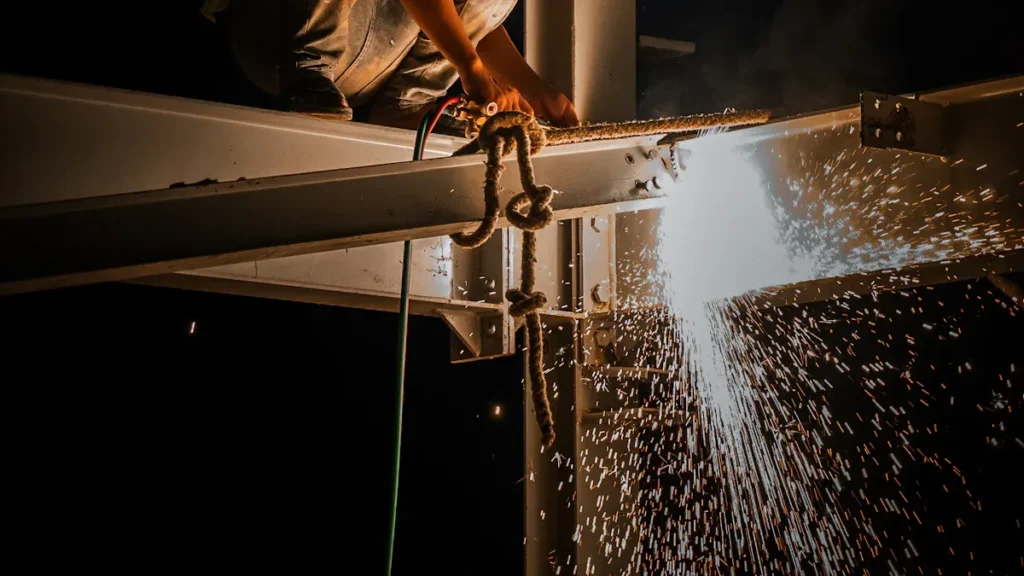
Choosing the right 亜鉛メッキスチールコイル is crucial for success in various applications, including the manufacturing of steel pipes. The decision between hot-dip and electro-galvanized types significantly impacts strength, lifespan, and cost.
注記: The building industry’s demand for galvanized products is increasing by over 5% annually. Appliance manufacturers utilizing galvanized materials, including those that produce steel pipes, experience fewer repairs, leading to cost savings. The green energy sector anticipates a 6% growth in the use of galvanized coils due to their durability in harsh weather conditions.
- Hot-dip galvanized steel coils dominate the market with a share of 73.61%, indicating their widespread application.
- Electro-galvanized coils are less common but are beneficial for specific tasks, including the production of steel pipes.
These points highlight the importance of selecting the right 亜鉛メッキスチールコイル for every industry, including those that rely on steel pipes.
重要なポイント
- Pick hot-dip galvanized steel for outdoor use. It resists rust well and lasts a long time.
- Electro-galvanized steel works best indoors. Its smooth surface suits appliances and decorations.
- Think about the zinc layer thickness. Thicker layers protect better and last longer.
- Check the costs carefully. Hot-dip galvanized steel costs more at first but saves repair money later.
- Know what your industry needs. Different jobs need different types of galvanized steel to work best.
Overview of Galvanized Steel Coils
What is Galvanized Steel?
Galvanized steel is steel covered with a zinc layer. This zinc coating helps stop rust and protects the steel. The zinc sticks to the steel through a chemical process. Even if the steel gets scratched, the zinc still protects it.
The thickness of the zinc layer matters a lot. Thicker zinc lasts longer and protects better. This makes galvanized steel great for tough jobs and low upkeep.
Main features of galvanized steel are:
- Strong protection against rust, even in bad weather.
- Layers that make it tough and long-lasting.
- Saves money because it needs less fixing.
Types of Galvanized Steel Coils: Hot-Dip vs. Electro-Galvanized
Galvanized steel coils are grouped by how the zinc is added. The two main types are hot-dip galvanized and electro-galvanized.
| Aspect | 詳細 |
|---|---|
| Hot-Dip Galvanized | Steel is dipped in melted zinc, making a thick, strong coat. Best for outdoor use. |
| Electro-Galvanized | Zinc is added with electricity, creating a thin, smooth coat. Good for indoor use. |
Hot-dip galvanized coils are popular because they resist rust well and cost less. They are used in building, 車, and strong parts. Electro-galvanized coils look nicer and are used for shiny things like appliances and decorations.
Both types of galvanized steel coils are useful. They last long, need little fixing, and are strong. Picking the right one depends on where and how it will be used.
Production Processes of Galvanized Steel Coils
Hot-Dip Galvanizing Process
Hot-dip galvanizing means dipping steel into melted zinc. This creates a strong coating that stops rust and makes the steel last longer. As explained in “Galvanised Steel: Production Process and Application,” this method is popular because it makes thick coatings perfect for outdoor use.
The steps are:
- Pre-inspection: Steel is checked for proper design, like holes and supports.
- Cleaning: Steel is washed in special baths to remove dirt and grease.
- Galvanizing: Clean steel is dipped in melted zinc, forming protective layers.
- Final inspection: The coating is measured, and the surface is checked for quality.
This process makes hot-dip galvanized steel coils great for tough jobs. They handle bad weather well and need little fixing.
Electro-Galvanizing Process
Electro-galvanizing uses electricity to coat steel with zinc. This method creates a thinner and smoother layer than hot-dip galvanizing. It’s good for things that need a neat finish. The steps include:
- Steel is placed in a zinc bath with two electrodes.
- Zinc sticks to the steel using an electric charge.
- Extra baths clean and coat the steel for a smooth finish.
Electro-galvanized steel coils are used in industries needing good looks and precision, like making appliances or decorations.
Key Differences in Manufacturing Processes
The main difference is how the zinc is added. Hot-dip galvanizing dips steel in melted zinc, making a thick, tough layer. Electro-galvanizing uses electricity to create a thin, smooth layer.
Hot-dip galvanized coils are best for outdoor use because they resist rust well. Electro-galvanized coils are better indoors where looks and smoothness matter. Both methods are useful for different jobs.
Characteristics of Hot-Dip and Electro-Galvanized Steel Coils
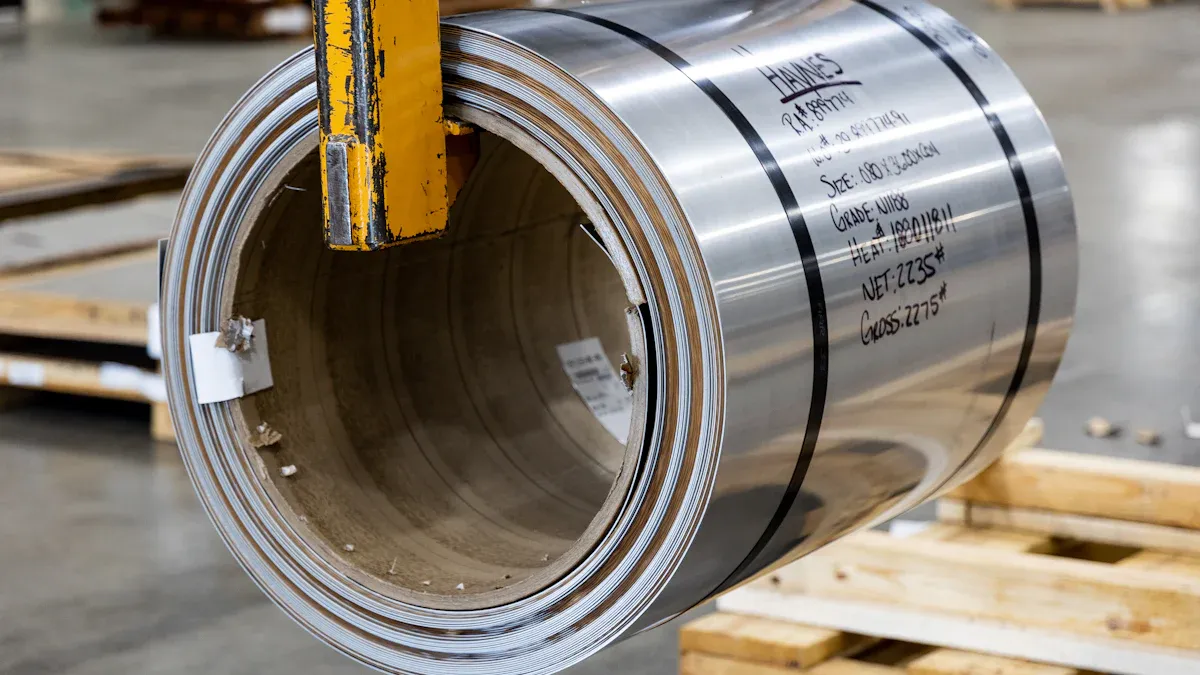
Corrosion Resistance Levels
Hot-Dip Galvanized Steel
Hot-dip galvanized steel has a thick zinc layer. This coating ranges from 50 に 600 g/m². It is about 10 µm thick and stops rust well. The zinc blocks moisture and air from reaching the steel. Industries like construction and farming use it for outdoor jobs. Its strong protection makes it a top choice for tough environments.
Electro-Galvanized Steel
Electro-galvanized steel has a thinner zinc layer. The coating is between 15 そして 100 g/m², about 3-5 µm thick. It works well indoors where rust is less of a problem. The smooth finish looks neat and is great for appliances and decorations. This type is chosen when appearance matters most.
Surface Finish Quality
Hot-Dip Appearance
Hot-dip galvanized steel has a rough surface. The dipping process creates a spangled pattern as zinc cools. This look may not fit polished designs but does not affect durability. It still protects well against rust and lasts a long time.
Electro-Galvanized Appearance
Electro-galvanized steel has a smooth and even surface. The zinc layer is consistent and free of bumps. This makes it perfect for items needing a clean look, like cars or home goods.
Strength and Durability
Hot-Dip Strength Factors
Hot-dip galvanized steel is very strong and durable. Its thick zinc layer boosts rust resistance and overall toughness. It is ideal for structures needing long-lasting performance.
Electro-Galvanized Strength Factors
Electro-galvanized steel is less strong than hot-dip steel. Its thinner zinc layer works well indoors where rust risks are low. It is good for lighter jobs that don’t need extreme strength.
注記: の ASTM A123 standard highlights zinc thickness as key for quality. Regular checks ensure coatings meet corrosion and durability needs.
Weight Considerations
Hot-Dip Weight Characteristics
Hot-dip galvanized steel coils are heavier because of their thick zinc layer. This thick coating adds strength and protects against rust. It is great for tough jobs like building and heavy machines. しかし, the extra weight can make moving and handling harder. Industries needing lighter materials may face challenges with these coils.
Electro-Galvanized Weight Characteristics
Electro-galvanized steel coils weigh less than hot-dip ones. The thinner zinc layer makes them lighter. This is helpful for cars and appliances where weight matters. Lighter coils are easier to move and install, saving money on transport. しかし, the thin coating may not protect well in tough conditions.
Cost Implications
Hot-Dip Cost Analysis
Hot-dip galvanized steel costs less for each unit of zinc used. It is good for making large amounts, saving money for bulk buyers. しかし, the heavy weight can raise shipping costs. Still, it saves money over time with less fixing needed, especially outdoors or in wet places.
Electro-Galvanized Cost Analysis
Electro-galvanized steel costs more at first because of its precise process. The thin zinc layer uses less material, but making it costs more. It is a good choice for industries needing good looks and light materials. しかし, it may cost more later if used in places where rust is a problem.
Applications of Galvanized Steel Coils in Different Industries
Construction Industry
Galvanized steel coils are important in building because they last long and resist rust. Roofs, beams, and barriers stay strong with the zinc coating. This helps them work well in tough weather. Cities like Chicago use galvanized steel for bridges and train systems. It makes these structures safer and cheaper to maintain, which is great for big projects.
Hot-dip galvanizing costs less than painting over time. の AGA Life-Cycle Cost Calculator shows it saves money, especially outdoors. Builders like galvanized steel because it handles rain and extreme weather. This keeps buildings strong for many years.
Automotive Industry
Car makers use galvanized steel coils because they are light and don’t rust easily. These coils are used for car bodies, frames, and undercarriages. The smooth surface fits modern car designs, and the zinc layer stops rust from road salt and water.
Studies show more cars need galvanized steel. Research by Acumen Research and Consulting shows trends like using strong materials for electric cars. Since car companies care about the environment, galvanized steel is a good choice. It lasts long and can be recycled, matching their goals.
Manufacturing and Machinery
Galvanized steel coils are very useful for making machines because they are strong and flexible. Machine parts like gears and casings last longer with the zinc coating. Tests like salt spray and adhesion tests prove it works well in tough jobs.
Special tests check the coating is even, and quick cooling makes it resist rust better. This makes galvanized steel great for farm tools, mining machines, and heavy equipment. It lasts long, so machines break less and cost less to fix, helping factories work better.
HVAC Systems and Appliances
Galvanized steel coils are important for making HVAC systems and appliances. They resist rust and last a long time, making them great for parts that face moisture and temperature changes. Companies use galvanized steel to make products that work well and need less fixing.
In HVAC systems, galvanized steel is used for ducts, air conditioners, and vents. The zinc layer stops rust, keeping air clean and systems running well. The strong material handles the stress of being installed and used. 例えば, steel ducts stay in shape and strong, even in high-pressure systems.
Home appliances like fridges, washers, and ovens also use galvanized steel. Its smooth surface makes products look nice and protects them from damage. The lightweight steel is easy to move and put together, saving money for makers.
Using galvanized steel meets safety and quality rules. Tests, like salt spray tests, prove it can handle tough conditions. This helps HVAC systems and appliances meet what buyers expect for lasting quality.
By using galvanized steel, companies make strong, 効率的, and good-looking products. Its flexibility and protective features make it a key material in these fields.
Cost Analysis of Galvanized Steel Coils
Starting Costs of Hot-Dip vs. Electro-Galvanized Coils
The starting costs for hot-dip and electro-galvanized steel are different. Hot-dip galvanizing needs big factories and uses a lot of energy. It requires equipment like large zinc pots, strong heaters, and good air systems. These make it more expensive at first. Electro-galvanizing, しかし, uses smaller spaces and less energy. It needs tools like plating tanks, electric machines, and chemical monitors, which cost less to set up.
| Type of Galvanizing | Starting Cost Details |
|---|---|
| Hot-Dip Galvanizing | Needs big spaces, more energy, and tools like large zinc pots, strong heaters, air systems, and material movers. |
| Electro-Galvanizing | Needs smaller spaces, less energy, and tools like plating tanks, electric machines, filters, and chemical monitors. |
Hot-dip galvanizing costs more at first, but it lasts longer, 後でお金を節約する.
Long-Term Savings and Upkeep Costs
Galvanized steel saves money over time because it lasts long and needs little care. The zinc layer stops rust, so repairs or replacements are rare. Unlike other coatings, it doesn’t need strong chemicals to stop rust. Simple cleaning keeps it in good shape, making it a smart choice for industries wanting durable materials.
New ways of making galvanized steel are improving. These changes make it cheaper to maintain and better for the environment. This keeps it a top choice for strong and affordable materials.
Cost Benefits for Different Industries
The value of galvanized steel depends on what each industry needs. For construction and cars, where strength and rust resistance matter, hot-dip galvanized steel is worth the cost. It lasts long and needs little fixing, making the higher starting price fair. For industries like appliances, where looks and lightness are key, electro-galvanized steel works better.
| Cost Factor | Galvanized Steel | Other Coating Options |
|---|---|---|
| 開始コスト | Changes | Changes |
| How Long It Lasts | Long | Changes |
| Time Before First Fix | Long | Changes |
| Life-Cycle Cost Comparison | Found in LCCC | Found in LCCC |
の Life-Cycle Cost Calculator (LCCC) shows how galvanized steel saves money compared to 30+ other coatings. This tool, backed by surveys, proves its value for many uses.
Hot-dip and electro-galvanized steel coils are quite different. Hot-dip coils have thicker coatings and resist rust better. They are great for outdoor jobs because they last longer. Electro-galvanized coils have thinner coatings and look smooth. These are best for indoor uses where appearance matters. Picking the right type depends on what each industry needs. 例えば, builders use hot-dip steel for weatherproof structures. Appliance makers prefer electro-galvanized steel for its neat and shiny look.
The need for eco-friendly materials, like Galvalume steel, is rising. Industries such as HVAC, 車, and construction use these materials more. They are strong, last long, そしてお金を節約する. Choosing the right galvanized steel coil helps meet job needs and saves costs over time.
よくある質問
Why is galvanized steel better than other materials?
亜鉛メッキ鋼 stops rust with its zinc layer. This makes it last longer and need less fixing. Many industries like it for its strength and low upkeep.
How does zinc thickness change how it works?
Thicker zinc layers stop rust better and last longer. Industries in tough weather pick thicker coatings for stronger protection.
Can you recycle galvanized steel?
はい, you can fully recycle galvanized steel. The zinc layer doesn’t cause problems when recycling, making it good for the planet.
Which industries use galvanized steel the most?
Construction, 車作り, and factories use it a lot. It’s strong, stops rust, コストも低くなります, so it’s great for buildings, 車, and machines.
Can electro-galvanized steel be used outside?
Electro-galvanized steel isn’t great for outside use. Its thin zinc layer works best indoors where looks and smoothness matter more than rust protection.