
Il carbonio bobina d'acciaio si prevede che il mercato sperimenterà una rapida crescita entro il 2025, guidato dai progressi tecnologici, iniziative ecosostenibili, e una domanda crescente. Per esempio, Si prevede che il mercato dei coils di acciaio laminati a caldo si espanderà a un ritmo di 11.2% annualmente da 2025 A 2032. Metodi di produzione migliorati e una crescente applicazione nei progetti di costruzione e nei veicoli elettrici sono fattori chiave che alimentano questa crescita. La regione Asia-Pacifico è in prima linea, mentre il Nord America e l’Europa contribuiscono in modo significativo attraverso aggiornamenti e iniziative green. Per rimanere competitivi in questo mercato dinamico, le aziende devono adattarsi a queste tendenze in evoluzione nel settore dei coils in acciaio al carbonio, bobine di acciaio, e barre d'acciaio.
Punti chiave
- Il mercato dei coil in acciaio al carbonio lo farà crescere molto 2025. Ciò è dovuto alle nuove tecnologie e alle pratiche ecologiche.
- Strumenti intelligenti come l’intelligenza artificiale e i robot rendono l’acciaio più veloce e migliore.
- I coils in acciaio a basso tenore di carbonio sono importanti per l'ambiente e le esigenze dei clienti.
- La tecnologia per il risparmio energetico riduce i costi e aiuta le aziende a competere meglio.
- Gli strumenti digitali migliorano il lavoro utilizzando dati in tempo reale per una produzione più rapida.
Panoramica del settore
Il ruolo delle bobine in acciaio al carbonio nella produzione moderna
I coils in acciaio al carbonio sono importanti nella produzione odierna perché sono resistenti e flessibili. Sono utilizzati in settori come l'edilizia, automobili, ed energia. Ad esempio, i produttori di automobili utilizzano queste bobine per realizzare parti di automobili resistenti, più sicure e che consentono di risparmiare carburante. I costruttori li usano anche per i tetti, cornici, e grandi progetti. La loro capacità di adattarsi a molti usi li rende molto utili nelle fabbriche.
Queste bobine sono disponibili in diversi tipi, come ASTM A1008, e dimensioni da 0,3 mm a 3 mm. Sono resistenti e funzionano bene per cose come parti di automobili o tetti di edifici. Mentre le fabbriche cambiano, sempre più persone desiderano queste bobine perché soddisfano esigenze specifiche.
Principali tendenze del mercato in 2025
Il mercato dei coil in acciaio al carbonio crescerà molto 2025 a causa di alcuni grandi cambiamenti:
- Il mercato globale, vale circa $941.7 miliardi di dollari 2023, potrebbe raggiungere $1.2 trilioni di 2030, crescente 3.1% ogni anno.
- Il Nord America crescerà rapidamente, grazie a nuovi edifici e fabbriche, soprattutto negli Stati Uniti.
- La crescita dell’Europa deriva da rigide regole verdi e dalla ripresa dopo il Covid-19.
- L’Asia-Pacifico guida il mercato, con Cina e India in rapida crescita grazie a più città e fabbriche.
Questi cambiamenti dimostrano che più industrie hanno bisogno bobine di acciaio al carbonio. Progetti di energia verde, come quello solare ed eolico, aiutare anche questa crescita. Le aziende devono seguire queste tendenze per rimanere al passo.
Principali attori e concorrenti emergenti nel settore siderurgico
In 2025, l’industria siderurgica avrà grandi aziende e nuovi sfidanti. Le migliori aziende sono forti e in costante crescita. Ma le nuove imprese stanno crescendo rapidamente essendo creative e trovando mercati speciali.
| Nome del concorrente | Quota di mercato | Tendenze di crescita | Prestazioni finanziarie |
|---|---|---|---|
| Compagnia A | XX% | Crescente | Forte |
| Compagnia B | AA% | Costante | Va bene |
| Nuovo giocatore | ZZ% | In rapida crescita | Debole |
Il mercato dei trasporti marittimi in acciaio crescerà anche a causa della domanda nel settore edile, automobili, e fabbriche. Per avere successo, le aziende devono essere creative e pronte a cambiare in questo mercato competitivo.
Superiore 5 Tendenze dell'industria dell'acciaio in 2025
Produzione intelligente e industria 4.0 Integrazione
Produzione intelligente sta cambiando il modo in cui viene prodotto l’acciaio 2025. Industria 4.0 gli strumenti rendono la produzione più rapida e precisa. AI, robot, e grandi dati sono le tecnologie chiave che guidano questo cambiamento. I Big Data aiutano le fabbriche a fare scelte migliori analizzando le informazioni sulla produzione in tempo reale. I robot e l’intelligenza artificiale migliorano la velocità del lavoro e riducono i costi.
Nel Bangladesh, i sensori hanno migliorato la produzione dell’acciaio monitorando meglio le catene di approvvigionamento. L’integrazione orizzontale collega senza problemi tutte le fasi della produzione. Ciò riduce i ritardi e aumenta l’efficienza. Poiché sempre più persone desiderano bobine di acciaio migliori, la produzione intelligente rimarrà importante per il settore.
Sostenibilità e bobine in acciaio a basso tenore di carbonio
Rendere l’acciaio ecosostenibile è ormai un must per le aziende. Le bobine in acciaio a basso tenore di carbonio sono popolari perché aiutano il pianeta. Il mercato dell’acciaio verde, Di valore $335.4 miliardi di dollari 2023, potrebbe crescere fino a $604.3 miliardi di 2031, in aumento 7.8% annuale. Ciò dimostra una maggiore domanda di acciaio verde nelle automobili, edifici, ed energia pulita.
Nuovi metodi, come usare l'idrogeno, minore inquinamento durante la produzione dell’acciaio. Questi cambiamenti corrispondono alle regole globali e alle esigenze dei clienti per prodotti più ecologici. L'utilizzo di bobine in acciaio a basso tenore di carbonio aiuta a raggiungere gli obiettivi ambientali e a soddisfare i clienti.
Leghe avanzate per applicazioni ad alte prestazioni
Le leghe speciali stanno migliorando l'acciaio per i lavori pesanti. Questi materiali sono più resistenti e durano più a lungo, rendendoli ideali per condizioni difficili. Aggiunta di piccole quantità di metalli simili vanadio e titanio rende l'acciaio più resistente e resistente.
La resistenza di queste leghe dipende dalla loro struttura e dalle minuscole particelle al loro interno. Queste funzionalità influiscono sulla difficoltà, forte, o pieghevole è l'acciaio. Le industrie come le automobili, aerei, e gli edifici necessitano di questi materiali per usi estremi. Le leghe avanzate saranno fondamentali per le future tendenze dell’acciaio.
| Fattore | Descrizione |
|---|---|
| Inclusioni | Piccole impurità possono cambiare la resistenza e l'affidabilità dell'acciaio. |
| Precipita | Piccole particelle metalliche migliorano la resistenza e la tenacità dell'acciaio. |
| Struttura del grano | La dimensione e la forma dei grani influiscono sulla resistenza e flessibilità dell’acciaio. |
L’utilizzo di leghe avanzate aiuta a soddisfare la necessità di un acciaio migliore in mercati speciali.
Tecnologie di produzione ad alta efficienza energetica
Tecnologie per il risparmio energetico stanno cambiando il mercato dei coils in acciaio 2025. L’aumento dei costi energetici e norme rigide rendono importanti nuovi metodi. Questi metodi risparmiano energia, migliorare l'efficienza, e aiutare l'ambiente.
Usi della produzione dell'acciaio Sopra 30% dell’energia mondiale. Utilizzando passaggi di risparmio energetico, le fabbriche possono ridurre il consumo di energia 25%-30%. Per esempio, i sistemi di recupero del calore riutilizzano il calore di scarto, risparmio energetico. Forni elettrici ad arco (EAF) inoltre consumano meno energia rispetto agli altiforni più vecchi, rendendoli popolari.
Ecco alcuni esempi di queste tecnologie in azione:
- Un’azienda siderurgica ha utilizzato monitor energetici intelligenti e ha ridotto i costi 15%.
- Un altro è passato alla produzione dell’acciaio all’idrogeno, riducendo le emissioni di 20%.
- Alcuni impianti trasformano i rifiuti in energia, risparmiare denaro e aiutare il pianeta.
L’utilizzo di questi metodi aiuta a raggiungere gli obiettivi verdi globali e a rimanere competitivi. Le tecnologie di risparmio energetico riducono i costi e dimostrano che la tua azienda ha a cuore l'ambiente.
Trasformazione digitale nelle operazioni di produzione di bobine di acciaio
Gli strumenti digitali stanno cambiando il modo in cui vengono prodotte le bobine di acciaio. Nuove tecnologie come l’IoT, AI, e i sistemi cloud rendono la produzione più rapida e intelligente.
I dati in tempo reale aiutano a monitorare immediatamente l'inventario e la produzione. Ciò riduce i ritardi e aiuta a prendere decisioni migliori. Gli strumenti IoT monitorano le macchine, risparmiare energia e ridurre i tempi di inattività.
L’automazione e i robot rendono il lavoro più veloce e accurato. I bracci robotici tagliano e modellano perfettamente le bobine. I sistemi di intelligenza artificiale controllano la qualità per garantire che ogni bobina soddisfi standard elevati.
I sistemi cloud e i gemelli digitali migliorano il lavoro di squadra e la manutenzione. I dati cloud consentono ai team di condividere facilmente le informazioni. I gemelli digitali prevedono i problemi prima che si verifichino. Questi strumenti migliorano le prestazioni e preparano le aziende ai cambiamenti futuri.
Utilizzando strumenti digitali, puoi realizzare bobine di acciaio migliori, risparmiare denaro, e soddisfare la domanda. Ciò mantiene forte la tua attività in un mercato guidato dalla tecnologia.
Innovazioni tecnologiche nella produzione di bobine di acciaio al carbonio
Manutenzione predittiva e sistemi guidati dall'IoT
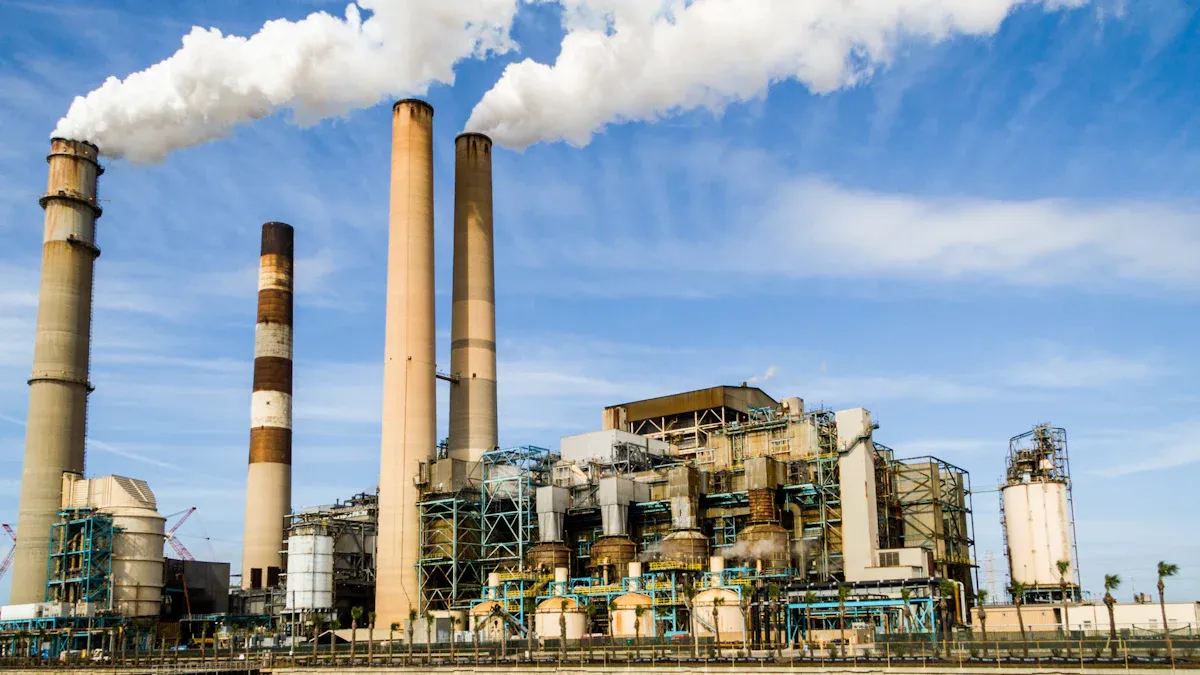
Manutenzione predittiva sta cambiando il modo in cui le fabbriche gestiscono la produzione di bobine di acciaio. I sistemi IoT aiutano a monitorare le macchine in tempo reale. I sensori raccolgono dati come la temperatura, vibrazione, e resistenza della bobina. Questi dati vengono studiati per individuare i problemi prima che si verifichino.
Per esempio, individuare tempestivamente i cambiamenti nella resistenza della bobina evita guasti. Gli strumenti IoT consentono anche riparazioni rapide, risparmiare tempo e aumentare l’efficienza. Gli studi dimostrano che questo metodo aiuta le parti, come le valvole, durare più a lungo. L’utilizzo della manutenzione predittiva migliora l’affidabilità e riduce le emissioni derivanti da riparazioni a sorpresa.
Automazione robotica nella produzione di bobine
I robot stanno rendendo la produzione di bobine di acciaio più veloce e migliore. Usano strumenti avanzati, come i laser cutter, per risultati precisi e fluidi. I robot riducono gli errori, risparmiare tempo, e migliorare la qualità del prodotto.
Automazione aiuta anche l'ambiente utilizzando saggiamente i materiali e riducendo gli sprechi. Ad esempio, i robot gestiscono meglio l’acciaio riciclato, sostenere gli obiettivi verdi. L'aggiunta di robot alla tua fabbrica aumenta la produzione e soddisfa la necessità di bobine di acciaio di alta qualità.
| Tendenza | Descrizione |
|---|---|
| Automazione | Accelera il lavoro e riduce lo sforzo umano nelle fabbriche. |
| Tecnologie di taglio avanzate | Utilizza i laser per tagli accurati e bordi lisci nell'acciaio. |
| Iniziative di sostenibilità | Si concentra su metodi ecologici per ridurre i rifiuti e riciclare i materiali. |
Produzione di acciaio basata sull'idrogeno e cattura del carbonio
La produzione dell’acciaio all’idrogeno è un nuovo modo per ridurre l’inquinamento. I metodi regolari rilasciano circa 1.85 tonnellate di CO2 per tonnellata di acciaio. I metodi basati sull'idrogeno riducono questo valore a 0.24 tonnellate, taglio 800 kg di CO2 per tonnellata. Ciò aiuta a raggiungere gli obiettivi verdi globali.
I sistemi di cattura del carbonio rendono tutto questo ancora migliore immagazzinando la CO2 in modo sicuro. Idrogeno pulito, realizzato con energia rinnovabile, produce meno di 4 kg di CO2 per chilogrammo. Ciò lo rende un’ottima scelta per una produzione di acciaio più pulita. L’utilizzo di questi metodi riduce l’inquinamento e mantiene forte la produzione.
| Metodologia | Intensità delle emissioni (tonnellate di CO2e/t-acciaio) |
|---|---|
| Attuali metodi basati sui combustibili fossili | 1.85 |
| Produzione di acciaio a base di idrogeno (ottimale) | 0.24 |
| Riduzione dell'intensità di carbonio | 800 kgCO2e/t-acciaio |
| Produzione di idrogeno pulito (rinnovabili) | < 4 kgCO2e/kgH2 |
Queste nuove tecnologie seguono regole verdi e rendono la tua azienda leader nella produzione di acciaio eco-compatibile.
Sistemi basati sull'intelligenza artificiale per una migliore qualità della bobina
I sistemi basati sull’intelligenza artificiale stanno cambiando il modo in cui viene controllata la qualità delle bobine di acciaio. Questi sistemi utilizzano programmi intelligenti e dati in tempo reale per garantire che ogni bobina soddisfi standard elevati. Con questa tecnologia, i controlli sono più rapidi, gli errori sono meno, e i prodotti sono migliori.
Gli strumenti di intelligenza artificiale forniscono aggiornamenti istantanei, quindi non sono necessari controlli manuali. Ciò rende la valutazione più rapida e i risultati più affidabili. A differenza dei vecchi metodi, L’intelligenza artificiale fornisce risultati equi e accurati, riducendo gli errori umani. Individua anche i problemi in anticipo, in modo che possano essere risolti prima che peggiorino.
Ecco come l'intelligenza artificiale migliora i controlli di qualità:
- Il monitoraggio in tempo reale rileva immediatamente i difetti.
- I programmi intelligenti forniscono risultati accurati senza tirare a indovinare.
- Vengono controllate più bobine contemporaneamente, risparmiando tempo.
- I report aiutano a pianificare le riparazioni e a far sì che le cose funzionino senza intoppi.
Per settori come quello automobilistico e dell'edilizia, dove la precisione conta, L'intelligenza artificiale è molto utile. Per esempio, Bobine di acciaio ASTM A1008, con dimensioni da 0,3 mm a 3 mm, necessitano di una classificazione esatta per parti di automobili o tetti. L’intelligenza artificiale garantisce che queste esigenze siano sempre soddisfatte, mantenendo felici i clienti.
L’uso dell’intelligenza artificiale aiuta anche a gestire meglio le catene di approvvigionamento. Decisioni rapide riducono i tempi di consegna e garantiscono che i prodotti arrivino quando necessario. Ciò aumenta l’efficienza e dimostra che sei un fornitore affidabile di bobine di acciaio di alta qualità.
L'aggiunta dell'intelligenza artificiale al tuo lavoro dimostra che tieni alle nuove idee e alla qualità. Ti aiuta a rimanere al passo con i tempi in un mercato in cui precisione e fiducia sono fondamentali.
Sfide e opportunità nel mercato dei coils in acciaio al carbonio
Aumento dei costi delle materie prime e interruzioni della catena di fornitura
Maggiori costi delle materie prime e i problemi della catena di fornitura stanno cambiando il settore. Problemi della catena di fornitura globale hanno aumentato i costi, rallentato la produzione, e tagliare i profitti. Queste sfide rendono più difficile per i produttori soddisfare le esigenze del mercato.
Gli effetti chiave includono:
- Aumento dei prezzi per materiali come minerale di ferro e carbone, aumento dei costi dei coils di acciaio.
- Programmi di produzione ritardati, causando perdite di entrate e possibili sanzioni.
- Le banche limitano i prestiti, rendendo le operazioni più difficili.
Per gestire questi problemi, l’utilizzo della blockchain può rendere le catene di approvvigionamento più chiare e veloci. Anche l’ampliamento delle opzioni dei fornitori e l’utilizzo di strumenti predittivi possono aiutare a gestire meglio le interruzioni.
Navigazione tra normative e conformità ambientali
Le norme ambientali ora sono più severe, quindi le aziende devono adeguarsi rapidamente. Segue l'aria, acqua, e norme sui rifiuti è necessario continuare a correre ed evitare multe.
| Tipo di regolamento | Descrizione |
|---|---|
| Standard di qualità dell'aria | Limiti sui gas nocivi come il biossido di zolfo e gli ossidi di azoto. |
| Autorizzazioni per lo scarico delle acque | Regole per la pulizia delle acque reflue prima del rilascio per proteggere la natura. |
| Regolamento sulla gestione dei rifiuti | Linee guida per il riciclaggio e la gestione sicura dei materiali di scarto. |
Grandi aziende come ArcelorMittal e Tata Steel utilizzano metodi più puliti come la cattura e lo stoccaggio del carbonio (CCS). Questi passaggi aiutano a seguire le regole e a sostenere le tendenze ecocompatibili. L'utilizzo di energie rinnovabili e sistemi di riciclaggio può rendere la tua azienda leader nella produzione ecologica.
Opportunità nei mercati emergenti e nei settori di nicchia
I nuovi mercati offrono grandi opportunità ai produttori di bobine in acciaio al carbonio. Le città in crescita nell’Asia-Pacifico e in Africa necessitano di materiali da costruzione resistenti. La mossa dell’industria automobilistica verso un sistema più leggero, le auto a risparmio di carburante aumentano la domanda di bobine di acciaio riciclabili.
Le opportunità chiave includono:
- Più costruzioni nelle città, che necessitano di bobine di acciaio per tetti e strutture.
- Crescita nei progetti di energia verde, come le turbine eoliche, che utilizzano parti in acciaio resistenti.
- Maggiore domanda di macchinari e attrezzature petrolifere nei paesi in via di sviluppo.
Concentrarsi su queste aree può aiutarti a crescere e competere meglio. Offrire prodotti speciali, come bobine ASTM A1008 nelle dimensioni da 0,3 mm a 3 mm, possono soddisfare queste industrie’ esigenze.
Lavorare insieme e utilizzare nuove idee per crescere
Il lavoro di squadra e le nuove idee sono fondamentali per crescere nel settore dei coils in acciaio al carbonio. Lavorando con gli altri e provando nuovi approcci, puoi risolvere problemi come ritardi nella catena di fornitura e aumento dei costi rimanendo al tempo stesso al passo con i tempi in un mercato in rapida evoluzione.
Lavorare in squadra aiuta a migliorare il lavoro e a raggiungere gli obiettivi più velocemente. Per esempio, le aziende con un forte lavoro di squadra riferiscono di lavoratori più felici e risultati migliori in mercati difficili. La tabella seguente mostra lezioni tratte da storie di lavoro di squadra di successo:
| Esempio | Lezioni apprese |
|---|---|
| 12 Storie di grandi team building | Le idee creative risolvono i problemi e creano team forti che hanno successo. |
| Leadership che lavora insieme | I leader focalizzati sul team rendono i lavoratori più felici e si adattano ai cambiamenti del mercato. |
| Il lavoro di squadra aiuta le startup come Dropbox a crescere | Le startup crescono più velocemente e lavorano meglio con il lavoro di squadra. |
Nel settore dei coils in acciaio al carbonio, collaborare con buoni fornitori rende il lavoro più fluido e veloce. Per esempio, acquisto di bobine ASTM A1008 (0.3-3mm di spessore) garantisce una buona qualità per parti di automobili e tetti di edifici. I fornitori che offrono certificati di prova della fabbrica e consegne rapide possono migliorare la tua catena di fornitura.
Le nuove idee aiutano anche il lavoro di squadra introducendo strumenti e metodi intelligenti. Le aziende che utilizzano l’intelligenza artificiale per controllare la qualità delle bobine o la blockchain per monitorare le forniture ottengono un vantaggio. Questi strumenti migliorano i prodotti e creano fiducia garantendo consegne puntuali e dettagli corretti.
Per far crescere il tuo business, concentrarsi su un forte lavoro di squadra e strumenti intelligenti. Che si tratti di trovare nuovi clienti o di migliorare il lavoro attuale, il lavoro di squadra e le nuove idee aiuteranno la tua azienda a diventare leader mercato dei coils in acciaio al carbonio.
Approfondimenti regionali e di mercato
Asia-Pacifico: Un leader in crescita nelle bobine in acciaio al carbonio
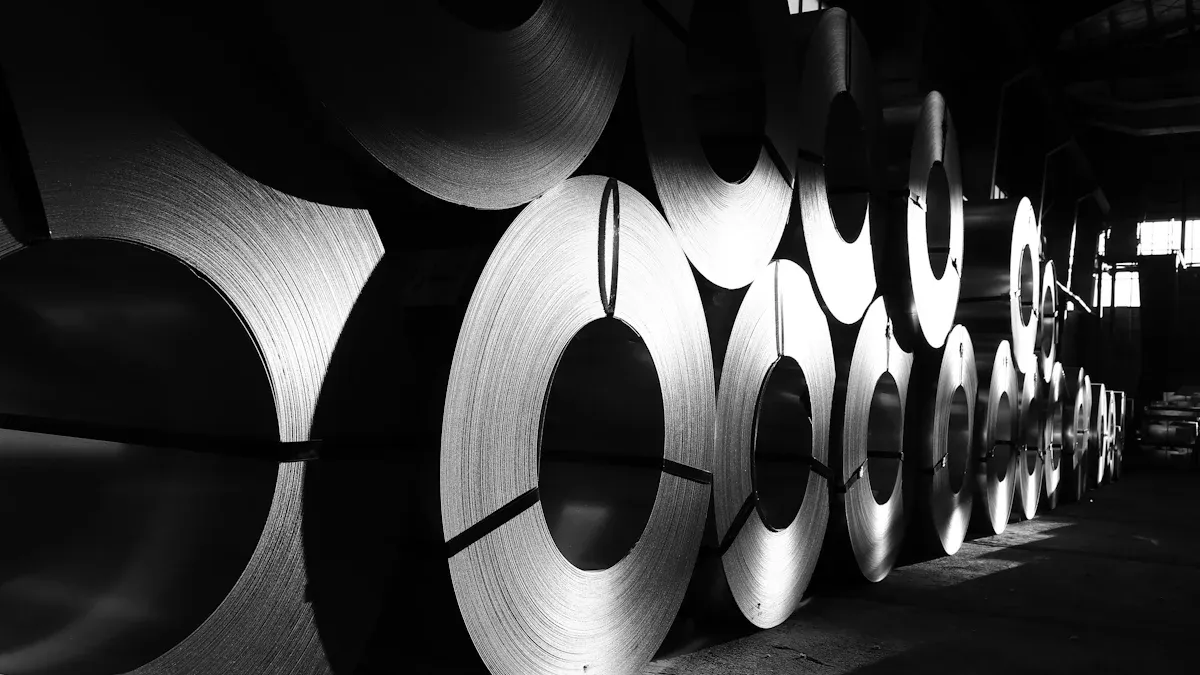
L'Asia-Pacifico guida il mercato dei coils in acciaio al carbonio grazie alla rapida crescita. La Regione tiene Sopra 40% del mercato globale in 2025. Cina e India contribuiscono in maniera determinante a questo successo. Di 2024, la domanda di acciaio al carbonio può raggiungere 1,850 milioni di tonnellate (MMT). Ciò è guidato da settori come l’edilizia, automobili, e costruzione navale.
La Cina è in vantaggio con fabbriche avanzate e grandi progetti edilizi. La crescita urbana e i piani governativi aumentano la necessità di robuste bobine d’acciaio. L’edilizia è un fattore chiave per il successo di questa regione. Queste tendenze mostrano perché l’Asia-Pacifico è l’area migliore per la crescita dell’acciaio al carbonio.
Le ragioni principali della crescita includono:
- Più soldi spesi per alloggi e infrastrutture.
- Maggiore produzione di automobili, soprattutto veicoli elettrici.
- Crescita della cantieristica navale per sostenere il commercio globale.
Nord America ed Europa: Focus sull'acciaio verde
Il Nord America e l’Europa sono leader nell’utilizzo dell’acciaio ecologico. Il mercato dell’acciaio a basso tenore di carbonio, Di valore $500 miliardi di dollari 2023, potrebbe crescere fino a $750 miliardi di 2032. Ciò mostra un tasso di crescita annuale di 4.5%. L’aumento deriva dalla necessità di materiali ecologici nelle automobili e negli edifici.
Nel Nord America, auto elettriche (Veicoli elettrici) stanno stimolando la domanda di acciaio a basso tenore di carbonio. Questo acciaio è forte, sicuro, e soddisfa le rigide norme sull'inquinamento. L’Europa si concentra su progetti di bioedilizia e di energia rinnovabile. Entrambe le regioni spingono per soluzioni sostenibili.
| Metrico | Valore |
|---|---|
| Dimensioni del mercato (2024) | $4.2 miliardi |
| Dimensioni del mercato previste (2034) | $9.5 miliardi |
| CAGR | 8.5% |
| Fattori chiave | Regole verdi, materiali ecologici |
Africa e Sud America: Nuove opportunità
L’Africa e il Sud America offrono grandi opportunità ai produttori di coil in acciaio. Queste aree stanno crescendo rapidamente con nuove strade, ponti, e case. I governi stanno spendendo di più per questi progetti, bisognoso acciaio resistente ed economico.
Le aziende in queste regioni si stanno fondendo e crescendo, creando opportunità di investimento. Costi inferiori e nuovi clienti rendono questi mercati attraenti. Anche, la necessità di macchine e utensili petroliferi aumenta la domanda di bobine di acciaio di qualità.
| Aspetto | Dettagli |
|---|---|
| Variazioni del mercato regionale | Africa e Sud America vedono una maggiore spesa per le infrastrutture. |
| Panorama competitivo | Fusioni e partnership offrono nuove opportunità di investimento. |
Concentrarsi su queste regioni può aiutare le aziende a crescere e a trovare nuovi clienti. Questi mercati hanno un grande potenziale per il successo futuro.
Regole e cambiamenti commerciali in 2025
Nuove regole e politiche commerciali in 2025 stanno cambiando il mercato dei coils in acciaio al carbonio. Questi cambiamenti influiscono sui prezzi, catene di approvvigionamento, e il commercio globale. I governi stanno aggiungendo tariffe e norme ecocompatibili che aumentano i costi e modificano i modelli commerciali.
Tariffe e variazioni di prezzo
Gli Stati Uniti. riportato Sezione 232 tariffe, aggiungendo un 25% tassa sulle importazioni di acciaio. Ciò ha portato le aziende a concentrarsi sui fornitori locali per risparmiare denaro. Ma questo cambiamento fece sì che gli Stati Uniti. i prezzi dei coils laminati a caldo aumenteranno 15%. Gli esperti ritengono che i prezzi potrebbero aumentare $1,100 per tonnellata in ritardo 2025. Questi costi più elevati sono gravosi per settori come quello automobilistico, dove i costi dell’acciaio potrebbero aumentare $450 A $600 per auto.
| Tipo di prova | Descrizione |
|---|---|
| Sezione 232 Tariffe | 25% tassa sulle importazioni di acciaio per rilanciare la produzione locale. |
| Modifiche ai prezzi | NOI. i prezzi dei coils laminati a caldo sono aumentati 15% all'inizio 2025. |
| Previsioni dei prezzi | I prezzi possono raggiungere $1,100 per tonnellata entro tardi 2025. |
Tensioni commerciali e catene di fornitura
Anche la politica globale sta influenzando il commercio. Tensioni tra gli Usa. e il Messico hanno portato alla minaccia di nuove tariffe. Ciò ha interrotto le catene di approvvigionamento nel Nord America. Le aziende ora cercano nuovi fornitori per evitare questi problemi. Questi cambiamenti dimostrano quanto sia importante adattarsi alle nuove regole commerciali.
| Tipo di prova | Descrizione |
|---|---|
| Questioni politiche | Le tensioni commerciali spingono le aziende a trovare nuovi fornitori. |
| Problemi della catena di fornitura | Le minacce tariffarie del Messico danneggiano il commercio nordamericano. |
| Aggiustamenti del mercato | I produttori locali cambiano i piani a causa dei maggiori costi derivanti dalle tariffe. |
Mosse intelligenti per le imprese
Per avere successo, le aziende hanno bisogno di strategie intelligenti. Dovrebbero utilizzare fornitori diversi, strumenti predittivi, e collaborare con fornitori affidabili di bobine in acciaio al carbonio. Conoscere le regole commerciali locali può aiutare le aziende a rimanere competitive e a funzionare senza intoppi.
Mancia: Collabora con fornitori che forniscono certificati di test di macinazione e consegne rapide per risparmiare tempo e migliorare l'efficienza.
Il mercato dei coil in acciaio al carbonio in 2025 si concentra su nuove idee, metodi ecologici, e il cambiamento delle tendenze. Per stare al passo, è necessario utilizzare tecnologie migliori e pratiche ecologiche. Per esempio, forni elettrici ad arco (EAF) stanno migliorando la produzione dell’acciaio e potrebbero recuperare 30% dell’acciaio globale da 2030. Strumenti dall'industria 4.0, come processi di riscaldamento avanzati, migliorare la qualità della bobina e accelerare la produzione. Allo stesso tempo, lo shopping online sta cambiando il modo in cui viene venduto l’acciaio, rendendo i prezzi più chiari e i prodotti più facili da ottenere.
| Aspetto | Prova |
|---|---|
| Sostenibilità | I produttori di acciaio utilizzano metodi più ecologici, come gli EAF, per ridurre l’inquinamento. Gli EAF potrebbero farlo 30% dell’acciaio mondiale da 2030. |
| Progressi tecnologici | Nuovi processi, come il riscaldamento e il raffreddamento avanzati, rendere le bobine di acciaio più forti e più lisce. Industria 4.0 gli strumenti aiutano le fabbriche a lavorare più velocemente e meglio. |
| Dinamiche di mercato | Lo shopping online cambia il modo in cui viene venduto l’acciaio, rendere i prezzi più equi e i prodotti più facili da trovare. Anche le regole commerciali e la politica influiscono sui prezzi e sull’offerta. |
Per avere successo, continua a conoscere il mercato delle bobine di acciaio al carbonio in 2025. Concentrati su metodi ecologici e tecnologie intelligenti per far crescere la tua attività e rimanere competitivo.
Domande frequenti
1. Come scegliere tra coil di acciaio al carbonio zincati e laminati a freddo??
- Bobine zincate: Ottimo per usi esterni come i tetti perché resistono alla ruggine.
- Bobine laminate a freddo: Perfetto per lavori dettagliati come parti di automobili, con una superficie liscia.
Pensa alla forza, Aspetto, e come li utilizzerai.
2. Quali sono le caratteristiche comuni delle bobine in acciaio al carbonio?
Le bobine in acciaio al carbonio solitamente seguono le norme ASTM A1008. Il loro spessore è spesso compreso tra 0,3 mm e 3 mm. Queste dimensioni funzionano bene per le auto, edifici, e macchine. Chiedi sempre al tuo fornitore i dettagli esatti.
3. Qual è la dimensione minima dell'ordine per le bobine di acciaio al carbonio?
La dimensione minima dell'ordine dipende dal fornitore. Molti buoni fornitori richiedono ordini di 10 A 50 tonnellate. Chiedi se possono adattarsi in base alle esigenze e ai tempi del tuo progetto.
4. Come si controlla la qualità delle bobine in acciaio al carbonio?
Richiedi i certificati di prova del mulino (MTC) dal tuo fornitore. Questi documenti dimostrano che le bobine soddisfano gli standard ASTM A1008. Anche, verificare lo spessore uniforme, superfici lisce, e bordi puliti.
5. Cosa influenza il prezzo dei coils in acciaio al carbonio per tonnellata?
I fattori principali includono:
- Costi di materiali come minerale di ferro e carbone.
- Tipo di bobina (zincato o laminato a freddo).
- Misure di spessore e larghezza.
- Regole commerciali e tasse locali.
Confronta diversi fornitori per trovare l'offerta migliore.
Vedi anche
Selezione della bobina in acciaio zincato ideale per la tua attività