
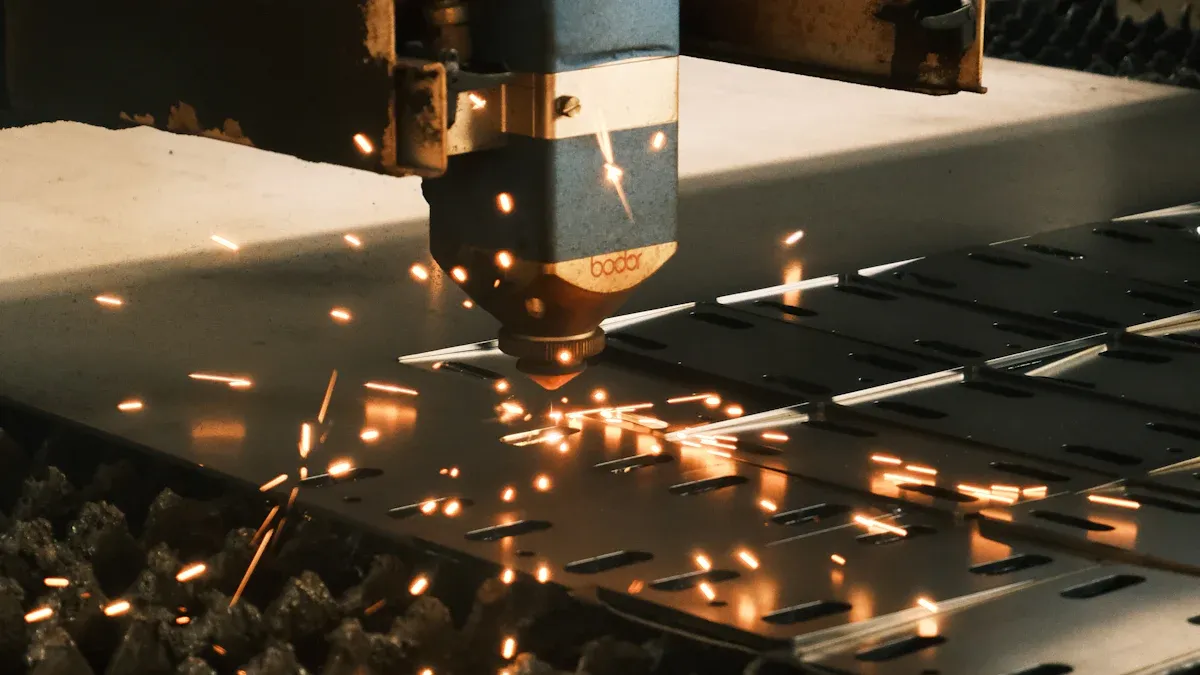
Cutting steel sheets neatly makes your projects look better and ensures they function as intended. Whether it’s a DIY job or professional work, knowing how to cut steel sheet with precision is crucial. Proper preparation reduces risks as well. Handling steel incorrectly can lead to injuries such as cuts or burns, and inhaling metal dust or fumes can be harmful to your lungs. Setting up your workspace and using safety gear is essential for your safety. This guide will show you how to cut steel properly and safely, regardless of your experience level.
الوجبات الرئيسية
- Pick the correct tools for your job. Use tin snips for thin steel and power tools like grinders for thicker steel.
- Safety comes first. Wear safety glasses, gloves, and closed-toe shoes to stay safe from harm.
- Set up your workspace properly. Keep tools neat and make sure there’s good airflow to stay safe and focused.
- Mark steel sheets carefully. Use a ruler and double-check measurements to avoid errors and wasting material.
- Take care of your tools. Clean them and check for damage so they work well and cut smoothly.
Tools and Materials for Cutting Steel Sheets
Essential Tools for How to Cut Steel Sheet
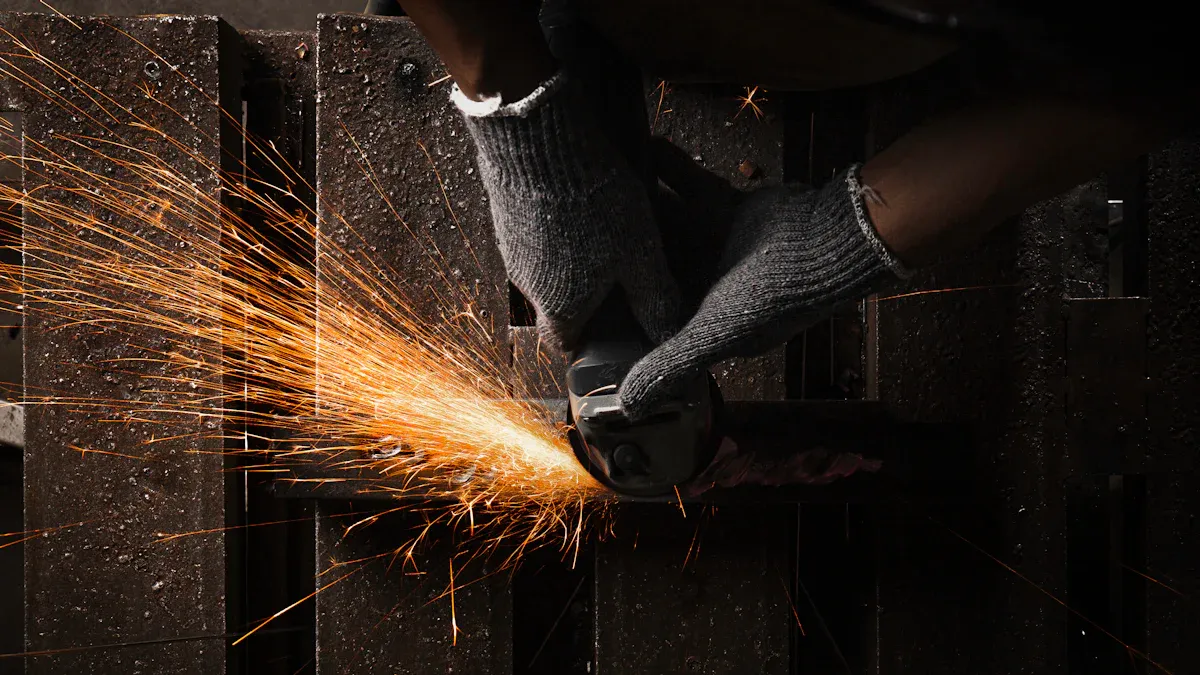
To cut steel sheets well, you need proper tools. Tin snips or aviation snips are great for thin sheets. For thicker steel, use power tools like angle grinders. Jigsaws with metal blades also work for thicker sheets. Each tool has its own benefits. Shearing machines are best for cutting many sheets fast. Laser cutters are great for detailed and precise designs.
| Cutting Method | وصف | Advantages |
|---|---|---|
| Shearing | Uses blades to make straight cuts. | Best for cutting many sheets quickly. |
| Laser Cutting | Uses a laser to cut with precision. | Great for detailed and fine designs. |
| Plasma Cutting | Uses plasma to cut thick steel. | Works on different steel thicknesses. |
Pick your tool based on what your project needs. Laser cutting is best for details, while plasma cutting is faster and flexible.
Optional Tools to Cut Sheet Metal with Precision
Some tools help make cleaner and more accurate cuts. Waterjet cutters can cut shapes without heating the steel. Wire EDM cutting gives smooth edges but is slower.
| Cutting Method | Pros | Cons |
|---|---|---|
| Waterjet Cutting | No heat damage, very accurate. | Hard to cut bundles or voids. |
| Wire EDM Cutting | Smooth edges, very precise. | Slow and not good for long cuts. |
| Automatic Lathe Cutting | Good for rods and tubes. | Only works for certain shapes. |
These tools are not always needed but help with special tasks.
Safety Equipment for Cutting Steel Sheets
Safety is very important when cutting steel sheets. Wear safety glasses to protect your eyes from flying bits. Closed-toe shoes keep your feet safe from falling steel. Guards on tools stop accidents with moving parts. Use a brush or air to clean up metal pieces safely.
| Safety Equipment | وصف |
|---|---|
| Safety Glasses | Protects eyes from flying steel bits. |
| Closed-toe Shoes | Keeps feet safe from sharp objects. |
| Guards | Stops accidents with tool blades. |
| Brush or Compressed Air | Cleans up metal pieces safely. |
Using safety gear helps you avoid injuries and focus on cutting steel neatly.
Preparing to Cut Sheet Metal
Setting Up a Safe and Efficient Workspace
A safe workspace is key for cutting metal well. Arrange your tools and materials neatly. Keep safety gear, cutters, and rulers close by. A tidy area lowers accident risks and helps you focus.
Add guards to machines to avoid touching moving parts. Use lockout/tagout steps to keep machines off during fixes. Good airflow is important to remove bad fumes and improve air. A clean space also stops trips and falls, which are common dangers.
Learn how to lift heavy steel sheets safely to avoid injuries. Practice emergency drills so you know what to do in accidents. These steps make your workspace safer and more efficient.
Marking the Steel Sheet for Accurate Cuts
Marking steel correctly helps you cut it precisely. Use a knife or ruler to draw straight lines on the steel. Check your measurements twice to avoid mistakes. A ruler guide helps keep your cuts neat and straight.
For curves or fancy designs, use stencils or templates. These tools help you make consistent and accurate marks. Taking time to mark steel properly saves material and avoids errors. It also ensures your cuts match your project needs.
Ensuring Proper Safety Measures Before Cutting
Safety comes first when cutting steel sheets. Wear glasses to protect your eyes from flying bits. Gloves keep your hands safe from sharp edges. Closed-toe shoes protect your feet from falling pieces.
Check your tools for damage or dullness before using them. Broken tools can cause bad cuts and accidents. Make sure all tool guards are in place. Use a brush or air to clean up metal bits safely.
Follow the right clearance for your cutting method. على سبيل المثال, ISO 16630 suggests 12% punch-to-die clearance for good results. Preparing well keeps you safe and improves your cutting quality.
How to Cut Steel Sheet Using Different Techniques
Cutting Sheet Metal with Hand Tools
Hand tools are great for small jobs or thin steel. Tin snips are common and work like strong scissors. They can cut straight or curved lines easily. Aviation snips, a type of tin snip, are better for detailed designs.
Pick the right snip for your task. Use straight snips for straight lines. For curves, choose left- or right-cut snips based on the curve’s direction. Hold the snips tightly and cut slowly along the marked line for clean results.
Hand tools are cheap and simple to use. لكن, they need effort and don’t work well on thick steel. Always wear gloves to protect your hands from sharp edges.
Cutting Steel Sheets with Power Tools
Power tools are best for big projects or thick steel. Tools like angle grinders, jigsaws, and circular saws work fast. An angle grinder with a metal disc cuts tough steel quickly. Jigsaws with metal blades are great for curved cuts.
When using power tools, focus on key factors. Cutting speed, feed rate, and material removal rate (MRR) affect how well you cut. على سبيل المثال, high MRR means faster cutting. A good feed rate ensures smooth cuts. The table below explains these terms:
| Metric | وصف |
|---|---|
| Cutting Speed | Impacts efficiency; too slow or fast causes problems. |
| Feed Rate | Affects quality; must be set correctly. |
| Material Removal Rate (MRR) | High MRR means faster cutting. |
| Tool Wear | Impacts tool life; check often to adjust settings. |
| Revolutions Per Minute (RPM) | Affects speed; adjust for tool size and steel type. |
Power tools save time but need careful use. Check tools before starting and wear safety gear to stay safe.
Advanced Methods for Cutting Sheet Metal
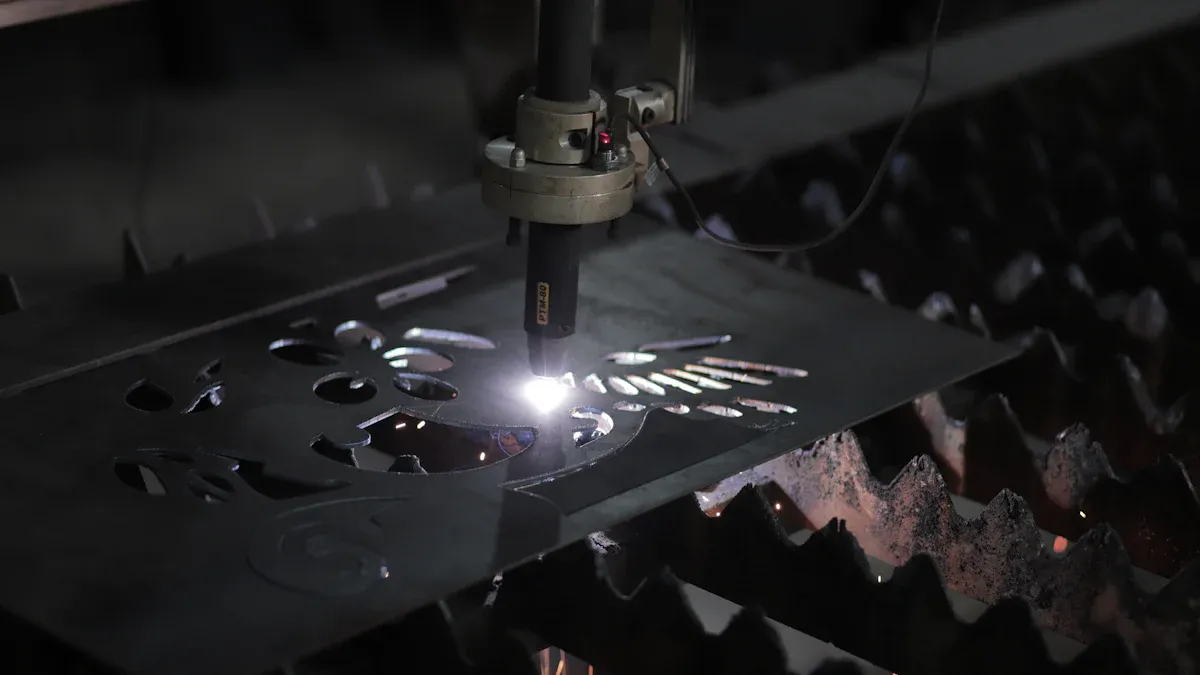
Advanced methods are precise and efficient for special tasks. Laser cutting, plasma cutting, and water jet cutting are popular choices. Laser cutting uses a strong laser to melt steel, perfect for detailed designs. Plasma cutting uses hot plasma to cut thick steel fast. Water jet cutting makes precise cuts without heat, great for heat-sensitive steel.
These methods are excellent for large-scale work. على سبيل المثال:
- Plasma cutting makes smooth edges without metal chips.
- Laser cutting is fast and precise, ideal for fine designs.
- Water jet cutting avoids heat damage, keeping steel strong.
Many industries use CAD software to improve accuracy. This reduces time and costs, especially in car and airplane production. Advanced methods cost more but give the best precision and quality.
Tips for Clean and Precise Cuts
Avoiding Common Mistakes When Cutting Steel Sheets
Mistakes can ruin your project and waste materials. Always check your measurements twice before cutting. Wrong measurements cause uneven or crooked cuts. Use a ruler or straight edge to stay accurate.
Using the wrong tool is another common mistake. Tin snips work well for thin steel but not thick sheets. For thicker steel, use power tools or advanced methods. Match your tool to the steel’s thickness and the type of cut you need.
Skipping safety steps is also a big error. Not wearing gloves can lead to cuts or injuries. Gloves protect your hands and help you hold tools better. Check your tools for damage or dullness before starting. Worn tools make rough edges and lower precision.
نصيحة: Go slow when cutting. Rushing causes mistakes and bad results.
Techniques for Achieving Smooth Edges
Smooth edges make your cuts look better and safer. After cutting, use a file or deburring tool to remove sharp bits. Emery buffing or lapping helps create smooth finishes for special projects.
For precise work, try honing or buffing the edges. These methods are great for parts that need to slide or fit perfectly. If your project needs detailed designs, smooth edges improve safety and accuracy.
- Key Surface Finish Tips:
- Use emery buffing or lapping for smooth edges.
- Hone edges for sliding parts or precision tools.
- Avoid flame-cut edges if you want a polished look.
Taking time to smooth edges gives clean cuts and professional results.
Maintaining Tools for Consistent Results
Keeping tools in good shape helps you make clean cuts. Worn tools lower accuracy and can harm steel sheets. Check your tools often for damage or dull blades. Replace broken parts right away.
Clean your tools after every use to keep them working well. على سبيل المثال, cleaning power tool spindles helps them run smoothly. Regular maintenance saves money by preventing costly repairs and breakdowns.
- Maintenance Checklist:
- Check tools often for wear or damage.
- Clean blades and spindles after use.
- Plan regular maintenance to avoid problems.
- Fix tools quickly to save time and money.
Taking care of your tools ensures they last longer and work better.
Cutting steel sheets neatly needs planning, أمان, and good tools. Keep your workspace tidy, mark steel carefully, and wear safety gear. Picking the right tool helps you work faster and more accurately.
| Guideline | وصف |
|---|---|
| Plan cut lines | Make sure lines are at least 4″ away from edges for safety. |
| Choose tools wisely | Pick tools that match the steel’s surface for better cuts. |
| Follow directions | Use tools as the manufacturer recommends for safe use. |
| Wear safety gear | Put on gloves, goggles, and masks to stay safe while cutting. |
| Work comfortably | Avoid bad posture or strong vibrations to prevent injuries. |
| Control dust | Use tools with dust collectors to keep the air clean. |
نصيحة: Keep practicing to get better at cutting. With time, you’ll make cleaner and more accurate cuts.
التعليمات
What is the best tool for cutting thin steel sheets?
Tin snips or aviation snips work best for thin steel sheets. They are easy to use and provide clean cuts for straight or curved lines. Choose left-cut, right-cut, or straight snips based on your cutting direction.
How do you prevent steel sheets from warping during cutting?
Secure the steel sheet firmly using clamps or a vice. Use slow, steady cutting motions to avoid excessive heat buildup. For power tools, adjust the speed and feed rate to minimize stress on the material.
نصيحة: Always mark your cut lines clearly to reduce errors and material waste.
Can you cut steel sheets without power tools?
نعم, you can use hand tools like tin snips or hacksaws for small projects. These tools are affordable and effective for thin sheets. لكن, they require more effort and time compared to power tools.
How do you smooth sharp edges after cutting steel sheets?
Use a metal file or a deburring tool to remove sharp edges. For a polished finish, try emery cloth or sandpaper. Always wear gloves to protect your hands while handling the steel.
Is it safe to cut steel sheets at home?
نعم, it is safe if you follow proper safety measures. Wear gloves, goggles, and closed-toe shoes. Ensure your workspace is well-ventilated and free of clutter. Inspect your tools before use to avoid accidents.
ملحوظة: Always prioritize safety over speed when working with steel sheets.