
لا يزال الفولاذ الكربوني خيارًا شائعًا في التصنيع بسبب عمليته وموثوقيته. ل 2025, وتشمل أفضل الأنواع AISI 1018, AISI 1045, و aisi 1095, معروف بقوتهم, متانة, وفعالية التكلفة. خبراء من معهد الحديد والصلب الأمريكي يسلطون الضوء على التقنيات في تقنيات الإنتاج التي تعزز هذه الفولاذ’ أداء. AISI 1018 is favored for its machinability, AISI 1045 for its higher strength, و aisi 1095 for its hardness in cutting tools. Notably, S25C carbon steel can reach strengths of 1722.5 MPa with heat treatment, making it vital for demanding applications. User feedback indicates that components made from AISI 1045 perform exceptionally well under stress. Understanding their chemical compositions—like AISI 1018’s 0.18% carbon—provides insights into their specific advantages and applications.
الوجبات الرئيسية
- AISI 1018 is a flexible carbon steel. إنها cheap and easy to use for general manufacturing.
- AISI 1045 is stronger and tougher. It works well for heavy jobs like gears and axles.
- AISI 1095 is very hard and lasts long. It is great for tools and cutting items that need to stay strong.
- فكر في القوة, price, and ease of shaping when picking carbon steel for your work.
- Eco-friendly steel methods, like green steel, help lower harm to the environment.
Overview of Carbon Steel Types
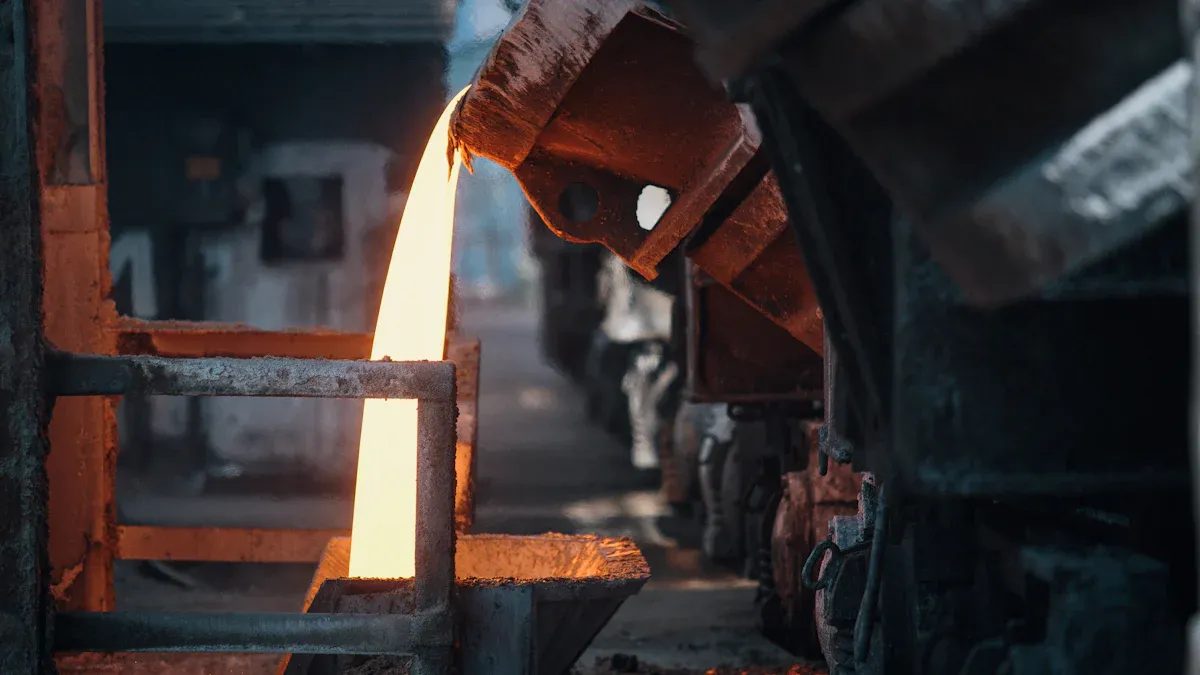
Carbon steel is grouped into three types by carbon content. These are low-carbon, متوسطة الكربون, and high-carbon steel. ولكل نوع ميزات خاصة لاستخدامات مختلفة. Knowing these helps you pick the right one for your needs.
Low-Carbon Steel
فولاذ منخفض الكربون has less than 0.25% الكربون. It is very useful and common in construction and car-making. Its strength and flexibility make it great for building frames, wires, and sheets.
- في 2022, low-carbon steel made up 90.8% of the U.S. market.
- بواسطة 2024, it may hold 60.1% of the market, growing at 2.7% yearly.
This steel is also used for car body parts and frames. It is cheap and easy to shape, making it perfect for mass production.
Medium-Carbon Steel
Medium-carbon steel has 0.25% ل 0.60% الكربون. It balances strength and flexibility, making it good for tough jobs.
| Factor | تفاصيل |
|---|---|
| Added Elements | Chromium and molybdenum make it stronger and denser. |
| Heat Treatment | Heating and cooling improve its structure and performance. |
| Mechanical Changes | Forging and shaping make it stronger and better for use. |
This steel is used for gears, المحاور, and train tracks. It handles heavy stress, so it works well for tough tasks.
High-Carbon Steel
High-carbon steel has over 0.60% الكربون. It is very hard and resists wear. It is used for tools, cutting items, and strong materials.
3D-printed high-carbon steel is both strong and flexible. After heating, it beats regular steel and competes with high-strength alloys.
Though less flexible, its strength makes it vital for industries needing tough materials.
Top Recommendations for 2025
AISI 1018 – Everyday Use Steel
AISI 1018 is a very useful type of carbon steel. It works well for many jobs and industries. إنه strength ranges from 380 ل 540 MPa. The yield strength is between 310 و 420 MPa. This makes it strong and reliable for daily tasks.
| ملكية | قيمة |
|---|---|
| قوة الشد | 380-540 MPa |
| قوة العائد | 310-420 MPa |
| Elongation at Break | 21-23% |
You can use AISI 1018 in building, machines, سيارات, and making parts. It is great for bolts, مهاوي, التروس, and frames. It is easy to weld and has a smooth surface. This makes it simple to work with. It is also affordable, saving money. Whether for testing or making many items, AISI 1018 works well.
AISI 1045 – Strong and Tough Steel
AISI 1045 is stronger and tougher than AISI 1018. It has a tensile strength of 570 ل 700 MPa. Its hardness is between 170 و 210 Brinell. It handles heavy stress and impact, making it good for hard jobs.
- Main Features:
- Strong and resists wear in different conditions.
- Surface hardness can reach Rc 54 to Rc 60 with heat.
- Works well even in high heat.
AISI 1045 is used for gears, المحاور, and heavy parts. It is easy to shape and weld. While it cannot harden fully, its surface can be made tougher. This adds extra strength.
AISI 1095 – Super Strong Steel
AISI 1095 is very strong and resists wear. It has over 0.90% الكربون, making it very hard. It is great for tools, cutting items, and tough materials.
AISI 1095 is used where strength is very important. It stays sharp and lasts long. This makes it perfect for knives, الينابيع, وشفرات. It is less bendable than other steels but very strong. It works well in hard and rough conditions.
AISI 1020 – Flexible and Budget-Friendly
AISI 1020 is a very flexible الصلب الكربوني type. It has about 0.20% الكربون, making it easy to shape. It is strong enough for many uses and lasts a long time.
This steel is used in building, سيارات, and making machines. It is great for bolts, rods, and light gears. You can weld and shape it easily. It also works well for cold-forming, keeping its strength even with detailed shapes.
AISI 1020 is also affordable. It gives good performance without costing too much. This makes it perfect for making many items at once. If you need a strong and cheap material, AISI 1020 is a smart pick.
نصيحة: AISI 1020 is great for projects needing strength, easy shaping, and low cost. Many makers choose it for these reasons.
AISI 1060 – Hard and Long-Lasting
AISI 1060 is a hard الصلب الكربوني with great wear resistance. It has about 0.60% الكربون, making it harder than low-carbon steels. It is perfect for jobs needing toughness and less wear.
This steel is used for tools, شفرات, and springs. Its high carbon keeps edges sharp and handles heavy use. Heating it makes it even harder, so it works well in tough places.
AISI 1060 is not as bendable as softer steels. But its strength and toughness are great for hard jobs. If your work needs strong and durable material, AISI 1060 is a good choice.
ملحوظة: AISI 1060 is best for tough jobs where strength matters more than flexibility. Heat treatment makes it even better.
Factors to Consider When Choosing Carbon Steel
Carbon Steel Strength and Durability
When picking carbon steel, strength and durability matter a lot. These traits show how well it handles stress and lasts over time. The amount of carbon in steel affects its strength. على سبيل المثال:
| محتوى الكربون | Properties Affected | التطبيقات |
|---|---|---|
| منخفض الكربون (<0.25 wt.%) | Very flexible, easy to weld | Car frames, pipes, building parts |
| الكربون المتوسط (0.25-0.60 wt.%) | Stronger, resists wear | Train tracks, التروس, machine parts |
| نسبة عالية من الكربون (0.60-1.25 wt.%) | Hardest, less flexible | Tools, الينابيع, strong wires |
Low carbon steel is great for flexible uses like car frames. Medium carbon steel is stronger and works well for train tracks and machines. High carbon steel is very hard, perfect for tools and springs. Knowing these differences helps you pick the best steel for your job.
Machinability and Weldability
Machinability and weldability are key for using carbon steel in factories. Machinability means how easy it is to cut or shape. Weldability shows how well it can be joined. Low carbon steel is easy to cut and weld, so it’s used for cars and buildings. Welding settings, like heat, can change steel’s strength and flexibility. Good welding keeps the steel strong and bendable, which is important for bridges and vehicles. Focusing on machinability and weldability helps make strong and reliable products.
Cost-Effectiveness
Cost is important when choosing carbon steel. Low and medium carbon steels, like AISI 1018 و aisi 1045, are strong and affordable. They are used in cars for gears and axles. AISI 1020 is another cheap option, often used in construction because it’s easy to shape and weld. High carbon steel, like AISI 1095, is great for making tough tools. Medium carbon steels, like AISI 1055, are good for farm tools and machines. Picking the right steel type saves money and gives good results for your projects.
Corrosion Resistance and Maintenance
Stopping corrosion is key to making الصلب الكربوني last longer. Moisture, chemicals, or tough environments can cause rust. Rust weakens steel and leads to expensive repairs. Picking the right steel and caring for it helps avoid these problems.
Low-carbon steel resists rust better than high-carbon steel. But it still needs coatings or treatments to handle harsh conditions. Checking it often and adding anti-rust coatings or galvanization can make it last much longer.
In tough industries, corrosion-resistant alloys (CRA) are a better choice. These materials fight rust and lower upkeep costs. The table below shows why CRAs are helpful:
| Aspect | تفاصيل |
|---|---|
| Focus | Fighting rust and lowering upkeep in geothermal systems. |
| Materials Discussed | Corrosion Resistant Alloys (CRA) and their uses. |
| التحديات | Few clear rules for picking the right material. |
| Benefits of CRA | Better rust resistance, less upkeep, and more working time. |
| Economic Impact | Can save up to 80% with CRA-clad materials. |
| Testing Basis | CRA choices often depend on limited tests or past examples. |
CRAs are great at stopping rust, but الصلب الكربوني is cheaper for many jobs. With good care and protection, الصلب الكربوني works well in tough places. على سبيل المثال, low-carbon steel in cars or buildings lasts longer with cleaning and coatings.
نصيحة: Talk to experts to pick the best steel for your needs. This saves money and keeps your materials working well.
Emerging Trends in Carbon Steel for Manufacturing
Advanced Heat Treatment Techniques
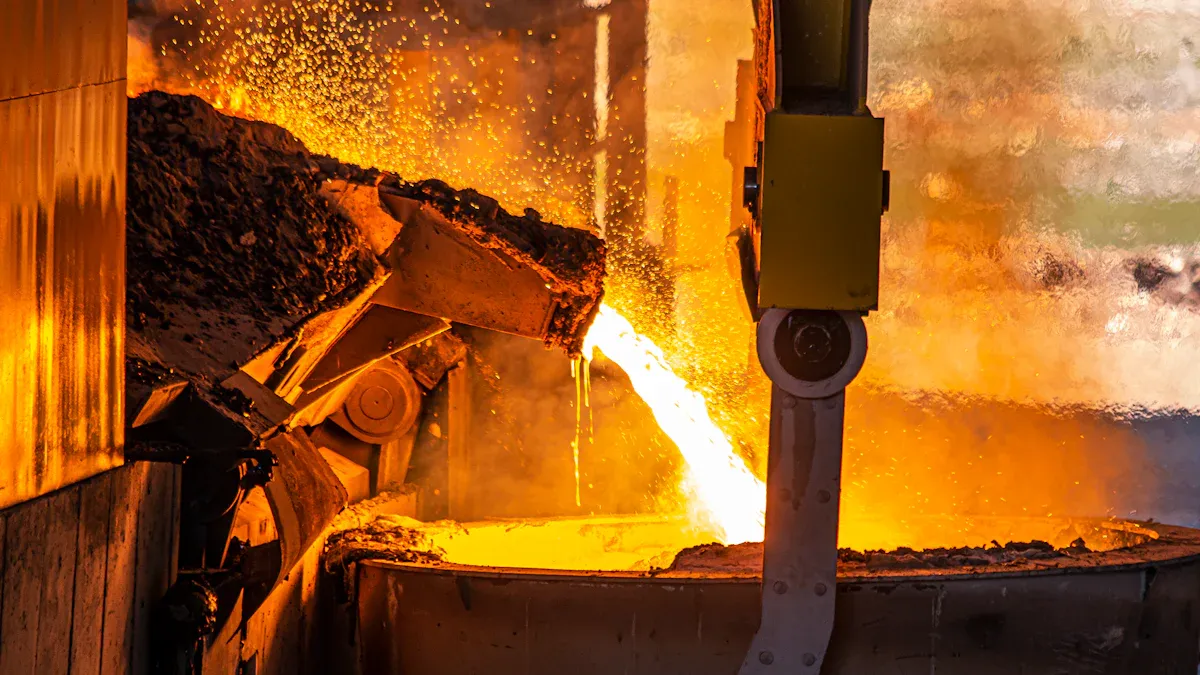
Heat treatment is changing how الصلب الكربوني gets stronger and harder. By heating and cooling carefully, steel becomes tougher and lasts longer. على سبيل المثال, after 60 minutes of heat treatment, carbon spreads through the steel. This makes it harder, even if strength drops slightly due to ceramic layers.
| Heat Treatment Time (minutes) | Changes in Hardness and Strength |
|---|---|
| 10 | Aluminum oxide forms on the surface |
| 20 | Titanium nitride boosts strength |
| 30 | Silicon nitride increases hardness |
| 60 | Carbon diffusion gives maximum hardness |
These methods help make الصلب الكربوني perfect for tools, أجزاء السيارة, and machines. Using heat treatment ensures the steel fits modern manufacturing needs.
Sustainable and Eco-Friendly Steel Production
Making steel in eco-friendly ways is now very important. Regular methods cause 8% of global greenhouse gas emissions. Green steel uses renewable energy and hydrogen to cut pollution. Switching to these methods costs more but saves resources and helps the planet.
هل تعلم? Countries in Africa, South Asia, and Latin America need more eco-friendly steel for new buildings. This helps the environment and grows their economies.
Choosing green steel helps the Earth and meets the need for strong materials.
Innovations in Alloying for Enhanced Properties
Adding elements like manganese and chromium improves الصلب الكربوني. These alloys make steel stronger, resist wear, and stop rust. AISI 1045 و 1095 steels use these elements for gears, أدوات, and machine parts.
New types like duplex stainless steel and nanostructured steel work well in tough places. Heat-treated alloy steels are now common in industries needing strong materials.
نصيحة: Pick alloyed الصلب الكربوني for better results in hard conditions.
These improvements keep الصلب الكربوني useful and reliable for modern factories.
Increased Use of High-Performance Carbon Steels
High-performance carbon steels are now very important in making things. These special materials are strong, tough, and resist wearing out. They are used in cars, planes, and buildings where strength matters most. Their ability to work in tough conditions makes them a favorite for hard jobs.
One reason they are popular is their improved features. Makers add elements like chromium, المنغنيز, or vanadium to make them harder and stop rust. These changes let high-performance carbon steels work in places that would harm regular steel.
Heating these steels also helps a lot. Processes like quenching and tempering make them stronger and last longer. Heat-treated الصلب الكربوني can carry heavy loads and stay in shape. This makes it great for tools, machines, and building parts.
Another reason for their use is they last a long time. This means fewer replacements, less waste, and better for the planet. Using these steels helps save resources and supports green manufacturing.
They are also very flexible to use. You can cut, weld, and shape them easily. This makes them perfect for making detailed designs without losing strength. Whether for small tools or big machines, these steels work really well.
نصيحة: Talk to suppliers like Angang Metal Products to find custom high-performance الصلب الكربوني for your needs.
Picking the right carbon steel for 2025 is very important. AISI 1018, AISI 1045, و aisi 1095 are strong and reliable. Each type has special uses, like being flexible or tough. Some resist wear better than others. Think about machinability, يكلف, and how long it lasts. These factors help you choose the best steel. Trusted suppliers, like Angang Metal Products, can guide you. They offer expert advice and quality materials for your projects.
التعليمات
What is the best carbon steel for general-purpose manufacturing?
AISI 1018 is great for general manufacturing. It is easy to shape, weld, and affordable. You can use it for bolts, التروس, and frames. Its flexibility makes it useful in construction and car-making.
How do you choose the right carbon steel for your project?
فكر فيما يحتاجه مشروعك. Look at strength, يكلف, and shaping ease. Low-carbon steel is good for flexible uses. Medium or high-carbon steel works for tough jobs. Ask suppliers like Angang Metal Products for help.
Is carbon steel eco-friendly?
Carbon steel can be صديقة للبيئة if made sustainably. Green steel uses clean energy and hydrogen to cut pollution. It is also recyclable, making it a smart choice for many industries.
Can you weld high-carbon steel?
نعم, but it needs special care. High-carbon steel is harder and can crack when welded. Preheating and cooling after welding help keep it strong. Low-carbon steel is easier to weld.
Why is heat treatment important for carbon steel?
Heat treatment makes carbon steel stronger and tougher. Processes like quenching and tempering improve its performance. على سبيل المثال, heat-treated AISI 1045 is great for gears and axles under heavy stress.