
The carbon steel coil market is projected to experience rapid growth by 2025, driven by advancements in technology, eco-friendly initiatives, and increasing demand. For example, the hot rolled steel coil market is expected to expand at a rate of 11.2% annually from 2025 to 2032. Enhanced production methods and a rising application in construction projects and electric vehicles are key factors fueling this growth. The Asia-Pacific region is at the forefront, while North America and Europe contribute significantly through updates and green initiatives. To remain competitive in this dynamic market, businesses must adapt to these evolving trends in carbon steel coils, steel coils, and steel bars.
Key Takeaways
- The carbon steel coil market will grow a lot by 2025. This is because of new technology and green practices.
- Smart tools like AI and robots make steel faster and better.
- Low-carbon steel coils are important for the environment and customer needs.
- Energy-saving tech lowers costs and helps companies compete better.
- Digital tools improve work by using real-time data for faster production.
Industry Overview
The Role of Carbon Steel Coils in Modern Manufacturing
Carbon steel coils are important in today’s manufacturing because they are strong and flexible. They are used in industries like building, cars, and energy. For instance, car makers use these coils to make strong car parts that are safer and save fuel. Builders also use them for roofs, frames, and big projects. Their ability to fit many uses makes them very useful in factories.
These coils come in different types, like ASTM A1008, and sizes from 0.3mm to 3mm. They are tough and work well for things like car parts or building roofs. As factories change, more people want these coils because they meet specific needs.
Key Market Trends in 2025
The carbon steel coil market will grow a lot in 2025 because of some big changes:
- The global market, worth about $941.7 billion in 2023, might reach $1.2 trillion by 2030, growing 3.1% each year.
- North America will grow fast, thanks to new buildings and factories, especially in the U.S.
- Europe’s growth comes from strict green rules and recovery after COVID-19.
- Asia-Pacific leads the market, with China and India growing quickly due to more cities and factories.
These changes show that more industries need carbon steel coils. Green energy projects, like solar and wind, also help this growth. Companies need to follow these trends to stay ahead.
Major Players and Emerging Competitors in the Steel Industry
In 2025, the steel industry will have big companies and new challengers. The top companies are strong and growing steadily. But new businesses are growing fast by being creative and finding special markets.
| Competitor Name | Market Share | Growth Trends | Financial Performance |
|---|---|---|---|
| Company A | XX% | Growing | Strong |
| Company B | YY% | Steady | Okay |
| New Player | ZZ% | Growing Fast | Weak |
The steel shipping market will also grow because of demand in building, cars, and factories. To succeed, companies must be creative and ready to change in this competitive market.
Top 5 Steel Industry Trends in 2025
Smart Manufacturing and Industry 4.0 Integration
Smart manufacturing is changing how steel is made in 2025. Industry 4.0 tools make production faster and more accurate. AI, robots, and big data are key technologies driving this change. Big data helps factories make better choices by analyzing live production info. Robots and AI improve work speed and cut costs.
In Bangladesh, sensors have improved steel-making by tracking supply chains better. Horizontal integration connects all production steps smoothly. This reduces delays and boosts efficiency. As more people want better steel coils, smart manufacturing will stay important for the industry.
Sustainability and Low-Carbon Steel Coils
Making steel eco-friendly is now a must for companies. Low-carbon steel coils are popular because they help the planet. The green steel market, worth $335.4 billion in 2023, could grow to $604.3 billion by 2031, increasing 7.8% yearly. This shows more demand for green steel in cars, buildings, and clean energy.
New methods, like using hydrogen, lower pollution during steel-making. These changes match global rules and customer needs for greener products. Using low-carbon steel coils helps meet environmental goals and keeps customers happy.
Advanced Alloys for High-Performance Applications
Special alloys are improving steel for tough jobs. These materials are stronger and last longer, making them great for hard conditions. Adding tiny amounts of metals like vanadium and titanium makes steel tougher and stronger.
The strength of these alloys depends on their structure and tiny particles inside. These features affect how hard, strong, or bendable the steel is. Industries like cars, planes, and buildings need these materials for extreme uses. Advanced alloys will be key for future steel trends.
| Factor | Description |
|---|---|
| Inclusions | Tiny impurities can change how strong and reliable the steel is. |
| Precipitates | Small metal particles improve strength and toughness in steel. |
| Grain Structure | The size and shape of grains affect steel’s strength and flexibility. |
Using advanced alloys helps meet the need for better steel in special markets.
Energy-Efficient Production Technologies
Energy-saving technologies are changing the steel coil market in 2025. Rising energy costs and strict rules make new methods important. These methods save energy, improve efficiency, and help the environment.
Steel production uses over 30% of the world’s energy. By using energy-saving steps, factories can cut energy use by 25%-30%. For example, heat recovery systems reuse waste heat, saving energy. Electric arc furnaces (EAFs) also use less energy than older blast furnaces, making them popular.
Here are some examples of these technologies in action:
- One steel company used smart energy monitors and cut costs by 15%.
- Another switched to hydrogen steelmaking, lowering emissions by 20%.
- Some plants turn waste into energy, saving money and helping the planet.
Using these methods helps meet global green goals and stay competitive. Energy-saving technologies lower costs and show your business cares about the environment.
Digital Transformation in Steel Coil Operations
Digital tools are changing how steel coils are made. New tech like IoT, AI, and cloud systems make production faster and smarter.
Real-time data helps track inventory and production instantly. This reduces delays and helps make better decisions. IoT tools monitor machines, saving energy and cutting downtime.
Automation and robots make work faster and more accurate. Robotic arms cut and shape coils perfectly. AI systems check quality to ensure every coil meets high standards.
Cloud systems and digital twins improve teamwork and maintenance. Cloud data lets teams share info easily. Digital twins predict problems before they happen. These tools improve performance and prepare businesses for future changes.
By using digital tools, you can make better steel coils, save money, and meet demand. This keeps your business strong in a tech-driven market.
Technological Innovations in Carbon Steel Coil Production
Predictive Maintenance and IoT-Driven Systems
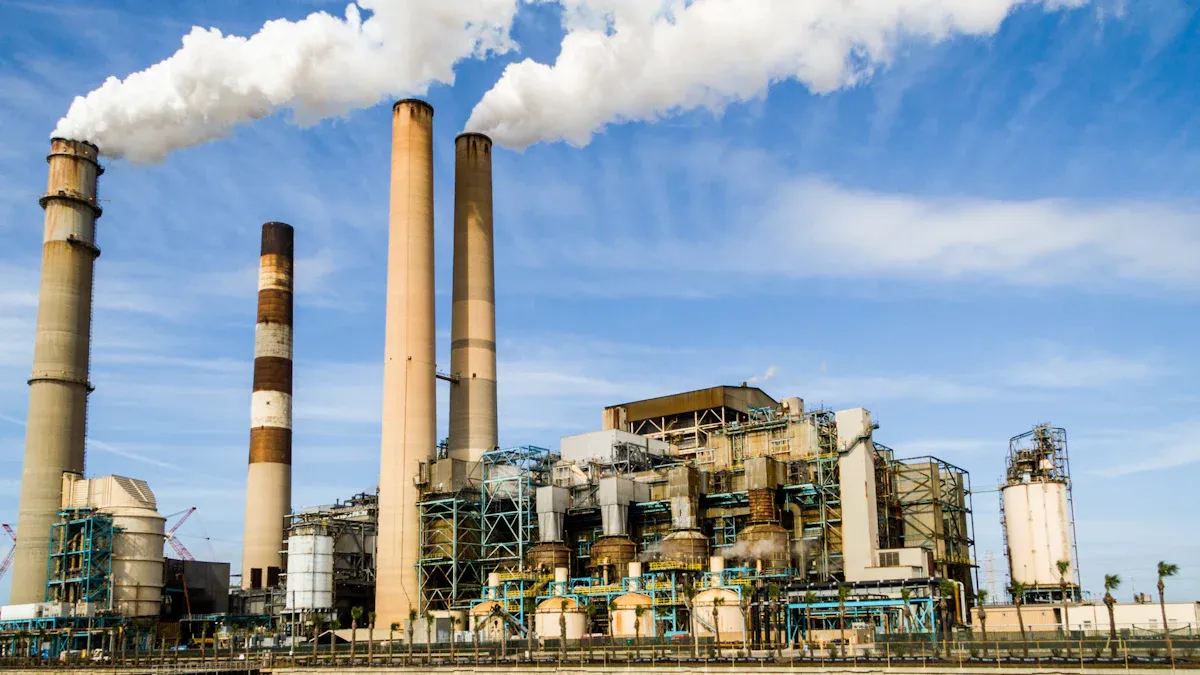
Predictive maintenance is changing how factories handle steel coil production. IoT systems help track machines in real time. Sensors collect data like temperature, vibration, and coil resistance. This data is studied to find problems before they happen.
For example, spotting changes in coil resistance early avoids breakdowns. IoT tools also allow quick repairs, saving time and boosting efficiency. Studies show this method helps parts, like valves, last longer. Using predictive maintenance improves reliability and lowers emissions from surprise repairs.
Robotic Automation in Coil Manufacturing
Robots are making steel coil production faster and better. They use advanced tools, like laser cutters, for precise and smooth results. Robots reduce mistakes, save time, and improve product quality.
Automation also helps the environment by using materials wisely and cutting waste. For instance, robots handle recycled steel better, supporting green goals. Adding robots to your factory increases production and meets the need for top-quality steel coils.
| Trend | Description |
|---|---|
| Automation | Speeds up work and reduces human effort in factories. |
| Advanced Cutting Technologies | Uses lasers for accurate cutting and smooth edges in steel. |
| Sustainability Initiatives | Focuses on eco-friendly methods to lower waste and recycle materials. |
Hydrogen-Based Steelmaking and Carbon Capture
Hydrogen steelmaking is a new way to cut pollution. Regular methods release about 1.85 tons of CO2 per ton of steel. Hydrogen-based methods lower this to 0.24 tons, cutting 800 kg of CO2 per ton. This helps meet global green goals.
Carbon capture systems make this even better by storing CO2 safely. Clean hydrogen, made with renewable energy, produces less than 4 kg of CO2 per kilogram. This makes it a great choice for cleaner steel production. Using these methods reduces pollution and keeps production strong.
| Methodology | Emissions Intensity (tonnes CO2e/t-steel) |
|---|---|
| Current fossil fuel-based methods | 1.85 |
| Hydrogen-based steelmaking (optimal) | 0.24 |
| Reduction in carbon intensity | 800 kgCO2e/t-steel |
| Clean hydrogen production (renewables) | < 4 kgCO2e/kgH2 |
These new technologies follow green rules and make your business a leader in eco-friendly steel production.
AI-Powered Systems for Better Coil Quality
AI-powered systems are changing how steel coils are checked for quality. These systems use smart programs and live data to make sure every coil meets high standards. With this technology, checks are faster, mistakes are fewer, and products are better.
AI tools give instant updates, so manual checks aren’t needed. This makes grading quicker and results more reliable. Unlike old methods, AI gives fair and accurate results, cutting down on human mistakes. It also spots problems early, so they can be fixed before getting worse.
Here’s how AI improves quality checks:
- Live tracking finds defects right away.
- Smart programs give accurate results without guessing.
- Multiple coils are checked at once, saving time.
- Reports help plan repairs and keep things running smoothly.
For industries like car-making and building, where accuracy matters, AI is very helpful. For example, ASTM A1008 steel coils, with sizes from 0.3mm to 3mm, need exact grading for car parts or roofs. AI makes sure these needs are always met, keeping customers happy.
Using AI also helps manage supply chains better. Quick decisions shorten delivery times and ensure products arrive when needed. This boosts efficiency and shows you’re a trusted supplier of top-quality steel coils.
Adding AI to your work shows you care about new ideas and quality. It helps you stay ahead in a market where accuracy and trust are key.
Challenges and Opportunities in the Carbon Steel Coil Market
Rising Raw Material Costs and Supply Chain Disruptions
Higher raw material costs and supply chain issues are changing the industry. Global supply chain problems have raised costs, slowed production, and cut profits. These challenges make it harder for manufacturers to meet market needs.
Key effects include:
- Increased prices for materials like iron ore and coal, raising steel coil costs.
- Delayed production schedules, causing revenue losses and possible fines.
- Banks limiting loans, making operations more difficult.
To handle these problems, using blockchain can make supply chains clearer and faster. Expanding supplier options and using predictive tools can also help manage disruptions better.
Navigating Environmental Regulations and Compliance
Environmental rules are stricter now, so companies must adjust quickly. Following air, water, and waste rules is necessary to keep running and avoid fines.
| Regulation Type | Description |
|---|---|
| Air Quality Standards | Limits on harmful gases like sulfur dioxide and nitrogen oxides. |
| Water Discharge Permits | Rules for cleaning wastewater before releasing it to protect nature. |
| Waste Management Regulations | Guidelines for recycling and safely handling waste materials. |
Big companies like ArcelorMittal and Tata Steel are using cleaner methods like Carbon Capture and Storage (CCS). These steps help follow rules and support eco-friendly trends. Using renewable energy and recycling systems can make your business a leader in green manufacturing.
Opportunities in Emerging Markets and Niche Sectors
New markets bring big chances for carbon steel coil makers. Growing cities in Asia-Pacific and Africa need strong building materials. The car industry’s move to lighter, fuel-saving cars increases demand for recyclable steel coils.
Key opportunities include:
- More construction in cities, needing steel coils for roofs and structures.
- Growth in green energy projects, like wind turbines, which use strong steel parts.
- Higher demand for machines and oil equipment in developing countries.
Focusing on these areas can help you grow and compete better. Offering special products, like ASTM A1008 coils in sizes from 0.3mm to 3mm, can meet these industries’ needs.
Working Together and Using New Ideas to Grow
Teamwork and new ideas are key to growing in the carbon steel coil industry. By working with others and trying fresh approaches, you can solve problems like supply chain delays and rising costs while staying ahead in a fast-changing market.
Working as a team helps improve work and reach goals faster. For example, companies with strong teamwork report happier workers and better results in tough markets. The table below shows lessons from successful teamwork stories:
| Example | Lessons Learned |
|---|---|
| 12 Stories of Great Team Building | Creative ideas fix problems and build strong teams that succeed. |
| Leadership That Works Together | Team-focused leaders make workers happier and adapt to market changes. |
| Teamwork Helps Startups Like Dropbox Grow | Startups grow faster and work better with teamwork. |
In the carbon steel coil business, teaming up with good suppliers makes work smoother and faster. For example, buying ASTM A1008 coils (0.3-3mm thick) ensures good quality for car parts and building roofs. Suppliers offering mill test certificates and quick delivery can make your supply chain better.
New ideas also help teamwork by bringing in smart tools and methods. Companies using AI for checking coil quality or blockchain for tracking supplies get an advantage. These tools improve products and build trust by ensuring on-time deliveries and correct details.
To grow your business, focus on strong teamwork and smart tools. Whether finding new customers or improving current work, teamwork and new ideas will help your company lead in the carbon steel coil market.
Regional and Market Insights
Asia-Pacific: A Growing Leader in Carbon Steel Coils
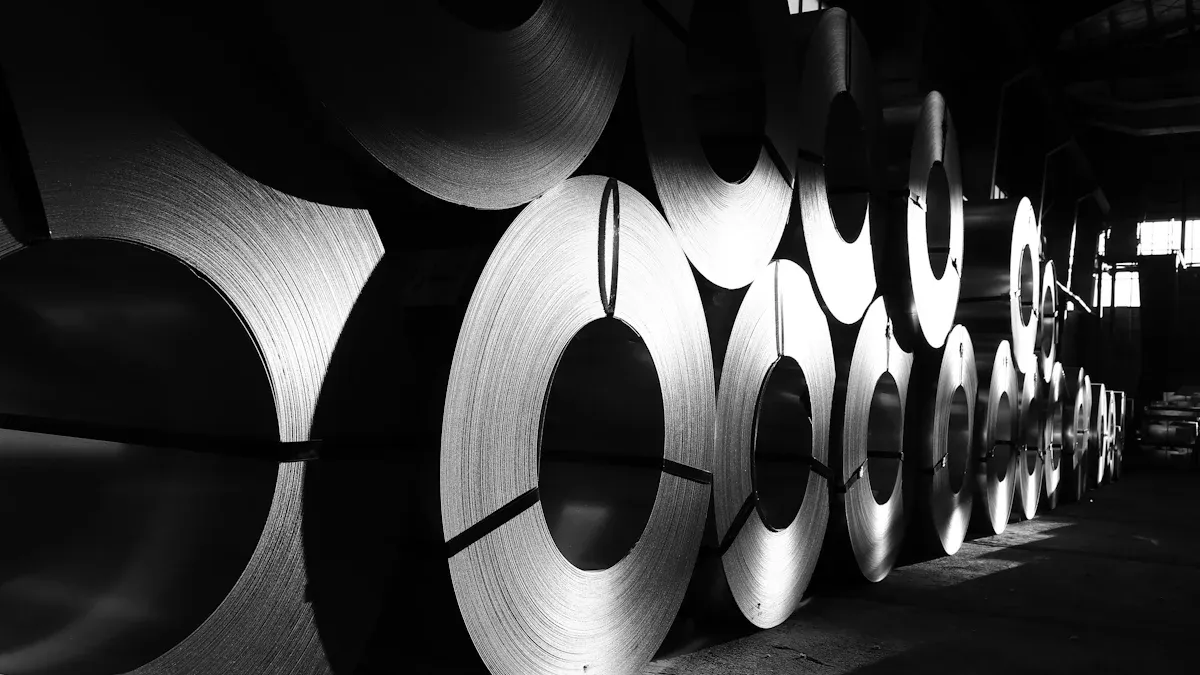
Asia-Pacific leads the carbon steel coil market due to fast growth. The region holds over 40% of the global market in 2025. China and India are major contributors to this success. By 2024, demand for carbon steel may reach 1,850 million metric tons (MMT). This is driven by industries like construction, cars, and shipbuilding.
China stays ahead with advanced factories and big building projects. Urban growth and government plans increase the need for strong steel coils. Construction is a key factor in this region’s success. These trends show why Asia-Pacific is the top area for carbon steel growth.
Main reasons for growth include:
- More money spent on housing and infrastructure.
- Higher car production, especially electric vehicles.
- Growing shipbuilding to support global trade.
North America and Europe: Focus on Green Steel
North America and Europe lead in using eco-friendly steel. The low-carbon steel market, worth $500 billion in 2023, could grow to $750 billion by 2032. This shows a yearly growth rate of 4.5%. The rise comes from the need for green materials in cars and buildings.
In North America, electric cars (EVs) are boosting demand for low-carbon steel. This steel is strong, safe, and meets strict pollution rules. Europe focuses on green building and renewable energy projects. Both regions are pushing for sustainable solutions.
| Metric | Value |
|---|---|
| Market Size (2024) | $4.2 billion |
| Projected Market Size (2034) | $9.5 billion |
| CAGR | 8.5% |
| Key Drivers | Green rules, eco-friendly materials |
Africa and South America: New Opportunities
Africa and South America offer big chances for steel coil makers. These areas are growing fast with new roads, bridges, and homes. Governments are spending more on these projects, needing strong and affordable steel.
Companies in these regions are merging and growing, creating investment chances. Lower costs and new customers make these markets attractive. Also, the need for machines and oil tools increases demand for quality steel coils.
| Aspect | Details |
|---|---|
| Regional Market Variances | Africa and South America see more spending on infrastructure. |
| Competitive Landscape | Mergers and partnerships bring new investment opportunities. |
Focusing on these regions can help businesses grow and find new customers. These markets have great potential for future success.
Rules and Trade Changes in 2025
New rules and trade policies in 2025 are changing the carbon steel coil market. These changes affect prices, supply chains, and global trade. Governments are adding tariffs and eco-friendly rules that raise costs and shift trade patterns.
Tariffs and Price Changes
The U.S. brought back Section 232 tariffs, adding a 25% tax on steel imports. This has made companies focus on local suppliers to save money. But this change caused U.S. hot-rolled coil prices to go up by 15%. Experts think prices might hit $1,100 per ton by late 2025. These higher costs are tough for industries like car-making, where steel costs could rise by $450 to $600 per car.
| Evidence Type | Description |
|---|---|
| Section 232 Tariffs | 25% tax on steel imports to boost local production. |
| Pricing Changes | U.S. hot-rolled coil prices rose 15% in early 2025. |
| Price Predictions | Prices may reach $1,100 per ton by late 2025. |
Trade Tensions and Supply Chains
Global politics are also affecting trade. Tensions between the U.S. and Mexico have led to threats of new tariffs. This has disrupted supply chains in North America. Companies are now looking for new suppliers to avoid these problems. These changes show how important it is to adapt to new trade rules.
| Evidence Type | Description |
|---|---|
| Political Issues | Trade tensions push companies to find new suppliers. |
| Supply Chain Problems | Mexico’s tariff threats hurt North American trade. |
| Market Adjustments | Local producers change plans due to higher costs from tariffs. |
Smart Moves for Businesses
To succeed, companies need smart strategies. They should use different suppliers, predictive tools, and work with reliable carbon steel coil providers. Knowing local trade rules can help businesses stay competitive and run smoothly.
Tip: Work with suppliers who provide mill test certificates and fast delivery to save time and improve efficiency.
The carbon steel coil market in 2025 focuses on new ideas, eco-friendly methods, and changing trends. To stay ahead, you need to use better technology and green practices. For example, electric arc furnaces (EAF) are improving steel-making and might make up 30% of global steel by 2030. Tools from Industry 4.0, like advanced heating processes, improve coil quality and speed up production. At the same time, online shopping is changing how steel is sold, making prices clearer and products easier to get.
| Aspect | Evidence |
|---|---|
| Sustainability | Steel makers are using greener methods, like EAFs, to cut pollution. EAFs could make 30% of the world’s steel by 2030. |
| Technological Advancements | New processes, like advanced heating and cooling, make steel coils stronger and smoother. Industry 4.0 tools help factories work faster and better. |
| Market Dynamics | Online shopping changes how steel is sold, making prices fairer and products easier to find. Trade rules and politics also affect prices and supply. |
To succeed, keep learning about the carbon steel coil market in 2025. Focus on eco-friendly methods and smart technology to grow your business and stay competitive.
FAQ
1. How do you pick between galvanized and cold-rolled carbon steel coils?
- Galvanized Coils: Great for outdoor uses like roofs because they resist rust.
- Cold-Rolled Coils: Perfect for detailed work like car parts, with a smooth surface.
Think about strength, look, and how you’ll use them.
2. What are common features of carbon steel coils?
Carbon steel coils usually follow ASTM A1008 rules. Their thickness is often between 0.3mm and 3mm. These sizes work well for cars, buildings, and machines. Always ask your supplier for exact details.
3. What is the smallest order size for carbon steel coils?
The smallest order size depends on the supplier. Many good suppliers require orders of 10 to 50 tons. Ask if they can adjust based on your project needs and timing.
4. How do you check the quality of carbon steel coils?
Ask for mill test certificates (MTC) from your supplier. These papers prove the coils meet ASTM A1008 standards. Also, check for even thickness, smooth surfaces, and clean edges.
5. What affects the price of carbon steel coils per ton?
Main factors include:
- Costs of materials like iron ore and coal.
- Coil type (galvanized or cold-rolled).
- Thickness and width measurements.
- Local trade rules and taxes.
Compare different suppliers to find the best deal.